A Growing Need: How Mid Coast Hunger Prevention Program is Meeting the Moment
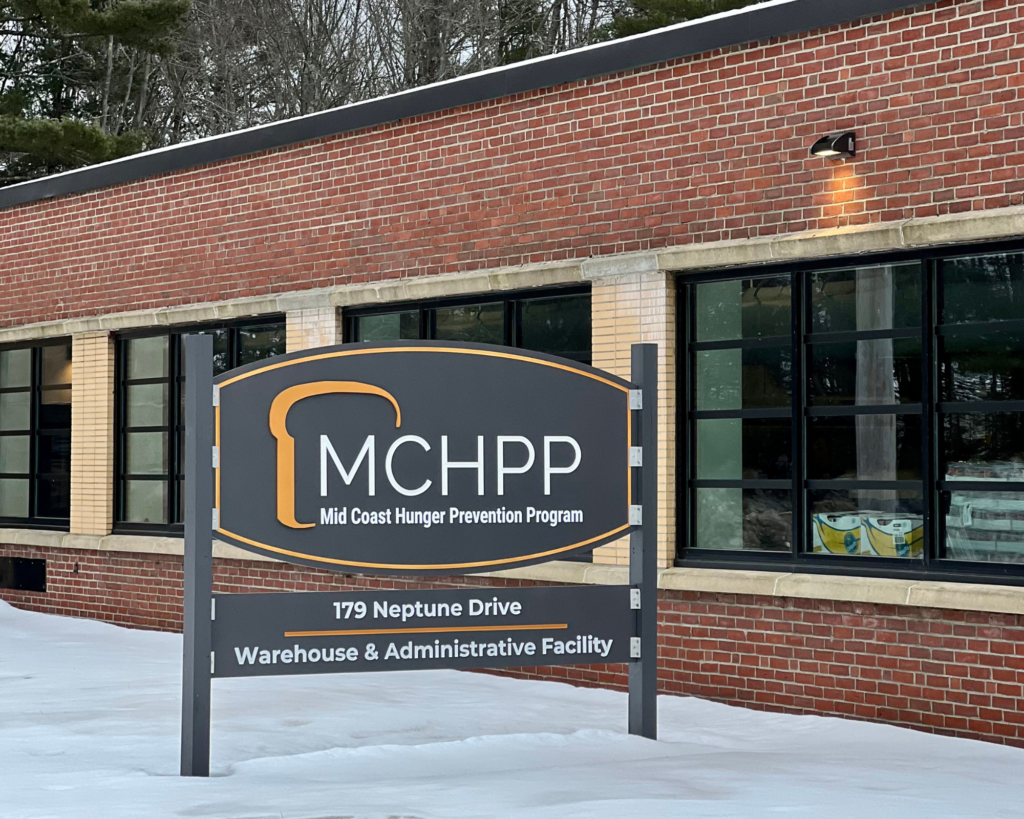
In the vibrant Mid Coast town of Brunswick, Mid Coast Hunger Prevention Program (MCHPP) serves as a crucial support for families and individuals facing hunger. As one of the nearly 600 partners of Good Shepherd Food Bank (GSFB), MCHPP provides essential food assistance to the community. Over the past few years, however, their workload has increased dramatically. What began as a gradual rise in visitors during the early days of the pandemic, has turned into a steady and ongoing surge that’s showing no signs of slowing down.
The numbers paint a clear picture of the overwhelming increase MCHHP has seen in the number of people seeking help. From 2020 to 2024, the number of visits to their pantry more than doubled; a staggering 107 percent increase. The surge became even more pronounced between 2023 and 2024, with nearly a 50 percent jump in visits in just one year. And the trend continues: In the first half of 2025, pantry visits are already up 32 percent over the same period in 2024, and over the past year, the pantry has seen more than 100 new families visiting each month.

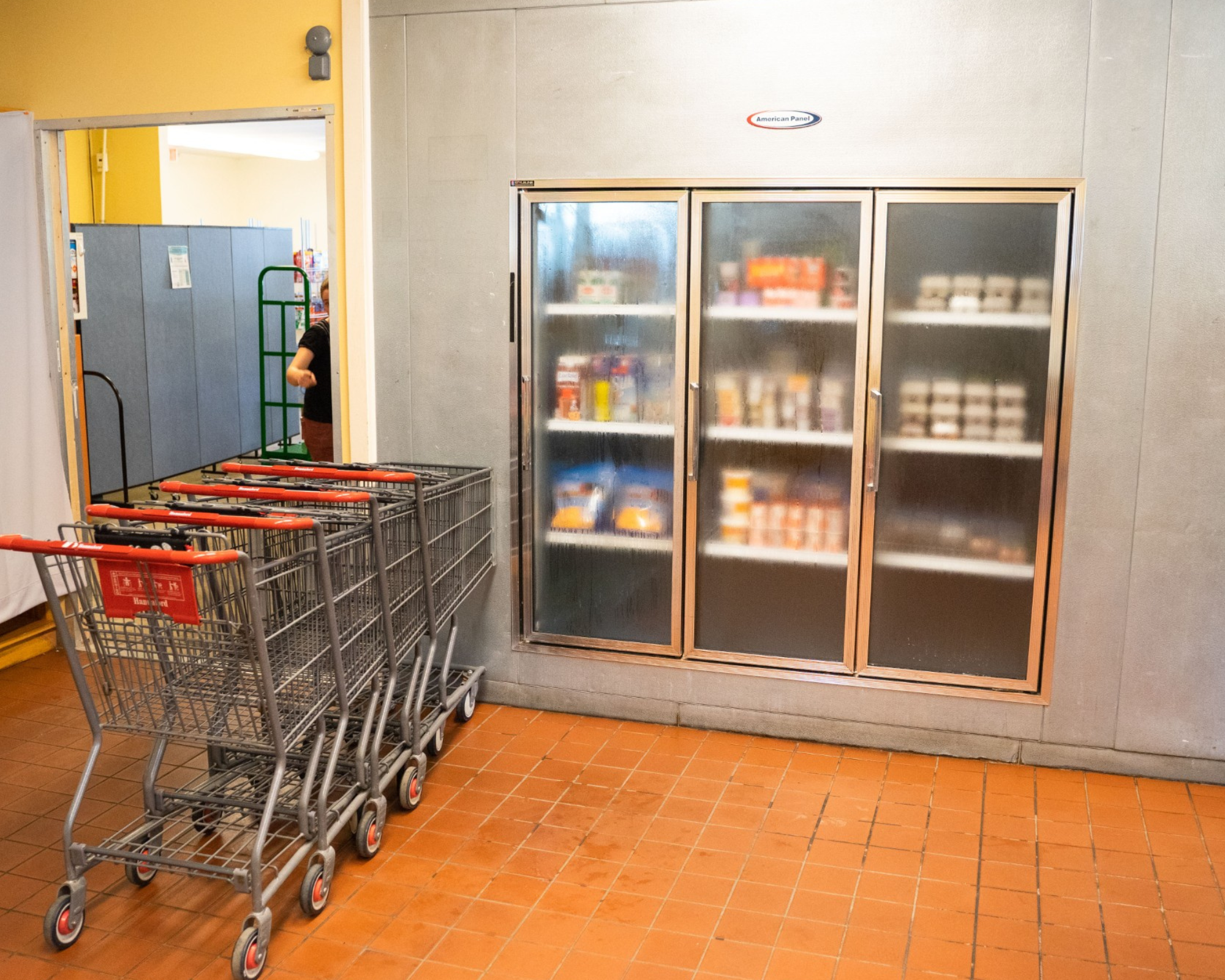
“When we first reopened to the public in July 2023, a busy day at our pantry would see around 40 to 50 households,” shares Heather Arvidson, MCHPP Program Director. “Now, it’s common to serve over 80 to 90 households in a given opening, and on Tuesdays, when we’re open for six hours instead of three, we can easily serve over 140 households.”
So, what’s driving this surge? It’s clear that when pandemic-era benefits came to an end in Winter/Spring 2023, the financial strain on families didn’t let up. With the cost of living continuing to rise, many people are now turning to MCHPP just to make ends meet.
For many families, the financial pressure caused by the high price of life’s necessities has led to food assistance becoming a necessary part of managing household budgets. According to survey data, 50 percent of respondents reported saving more than $50 per visit to the pantry, with 20% saying they saved over $100 each time. “A lot of people tell us that by using a service like MCHPP, they can stretch their limited resources further for things like rent, medical bills, and even a small treat for their families,” says Arvidson.
It’s not just about saving money; many people appreciate the variety of food that MCHPP offers. With the help of GSFB and our partnership with local farms through Mainers Feeding Mainers, as well as donations from retailers, MCHPP can provide a diverse selection of fresh produce, dairy, and pantry staples that meet the dietary needs of their community.
While MCHPP’s Food Pantry sees visitors throughout the week, certain times are busier than others. Tuesdays from 12 p.m. to 6 p.m. and Saturdays from 1 p.m. to 4 p.m. are particularly popular, especially among working families who appreciate the extended hours. “There are so few pantries in Maine that offer hours outside the typical work week,” says Arvidson. “Families tell us that this flexibility is a huge help.”
In addition, about 20 percent of MCHPP’s pantry guests do not speak English as a first language, highlighting the growing diversity of the community that MCHPP serves. This underscores the importance of making resources available to people from all walks of life and backgrounds.
The rapid increase in demand has had a noticeable impact on MCHPP’s operations. Volunteers are working harder than ever to ensure the shelves stay stocked. But with the rising number of visitors and fewer federal funds allocated to programs like The Emergency Food Assistance Program (TEFAP) and the Local Food Purchasing Assistance (LFPA) program, (food has become scarcer.
“We’ve had to shorten volunteer shifts and focus their roles more specifically, like keeping dairy stocked or managing produce,” explains Arvidson. “We’re also exploring new ways to secure food, such as connecting pantry participants to the Senior Box program or expanding our pantry-to-pantry delivery routes to free up space for the most-needed items.”
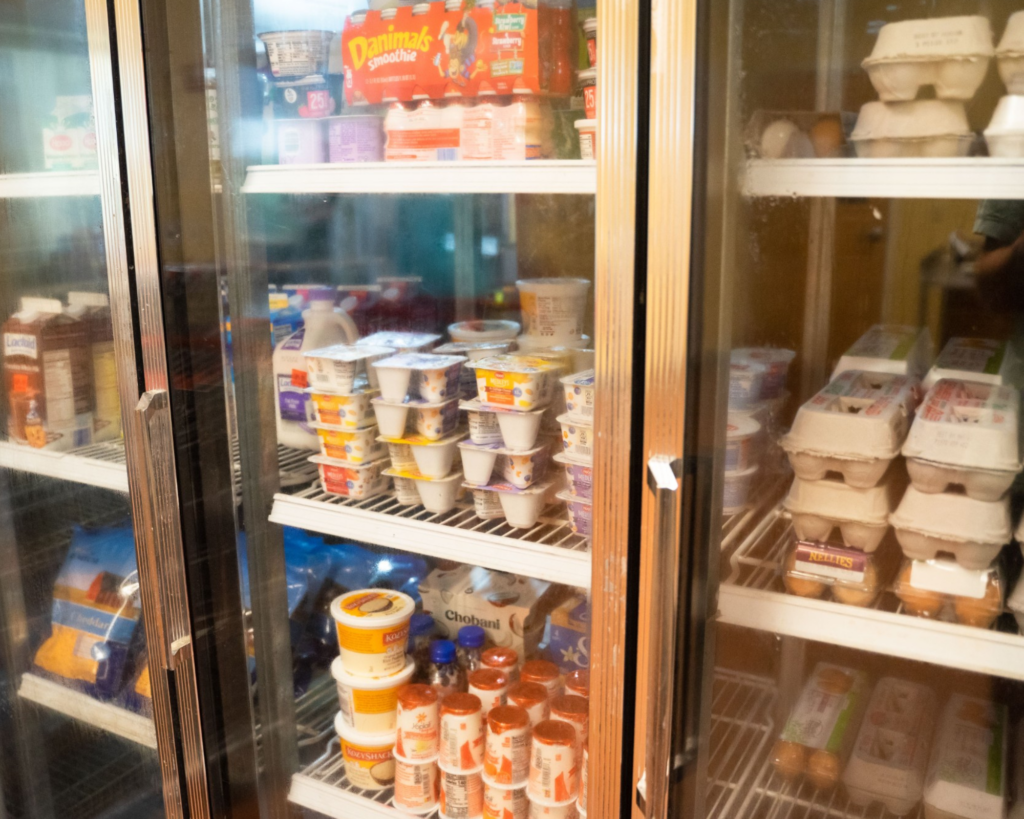
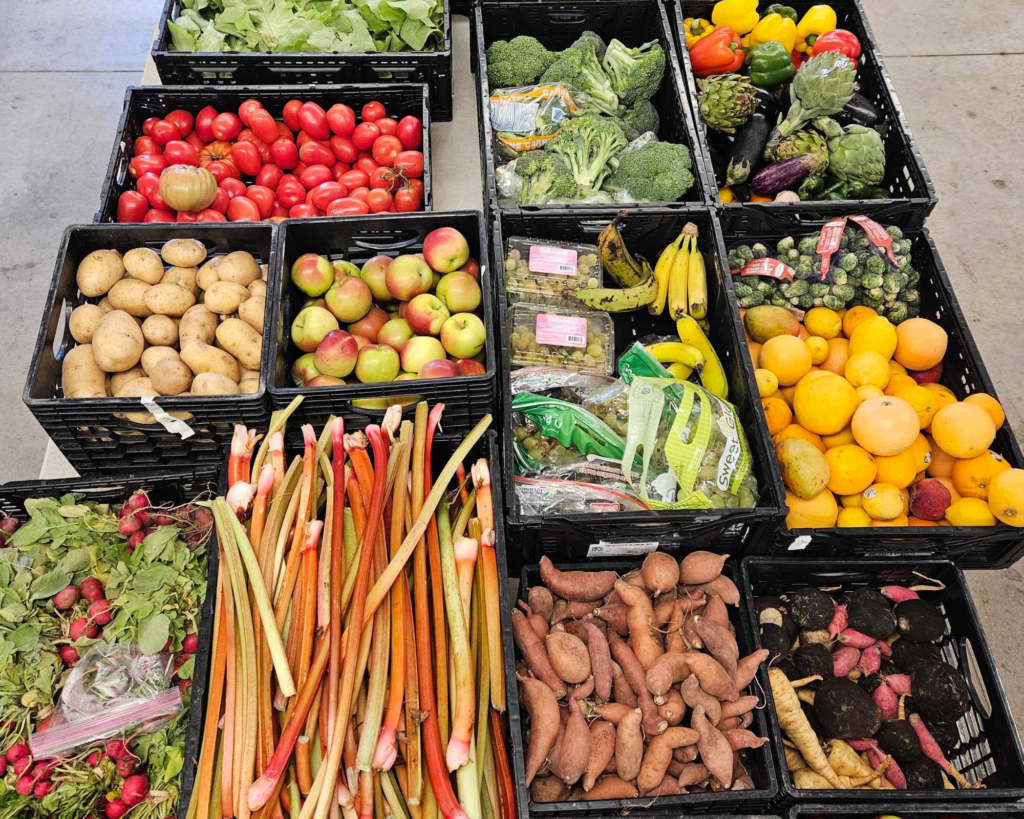
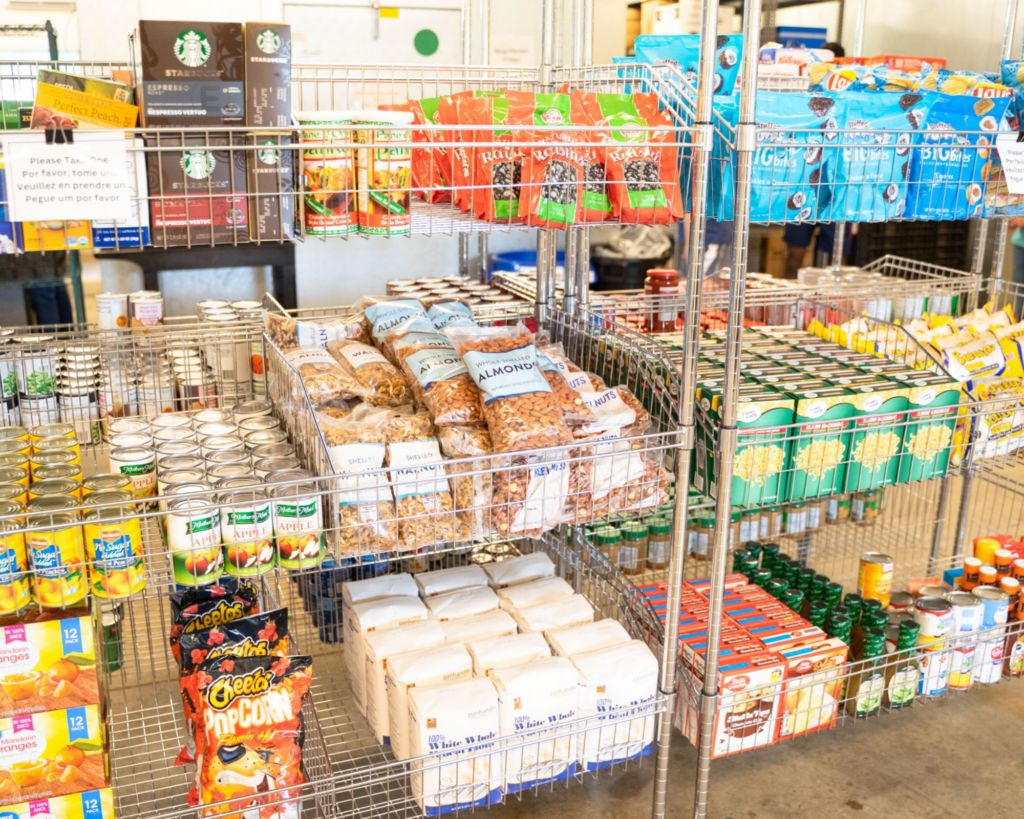


Despite the challenges, there are countless stories of the pantry making an impact in people’s lives.
One woman recently shared that, thanks to the savings she’s accumulated by using the food pantry, she was able to pay off medical debt. Another father expressed gratitude that his family is now eating healthier meals, cooking together, and even experimenting with new recipes using vegetables they had never tried before. And there was also a mother of two who shared that by getting food from MCHPP, she was able to cut down on her spending for produce, leaving room to buy special snacks for her picky eaters at home.
These are the stories that capture the true impact of MCHPP’s work. How a steady supply of food can help families thrive and stretch their budgets further.
MCHPP has yet to make any drastic changes to its operations, but the need for food assistance continues to grow. With fewer food allocations coming from state and federal programs, every pantry must make do with less. However, MCHPP remains committed to ensuring that everyone who needs help can access it.
One of the ways MCHPP is trying to ease the pressure on their main pantry is by emphasizing their satellite locations. These smaller food distribution points, located in senior housing complexes, schools, and recreational centers, allow people to access food closer to home. By encouraging people to use these services, MCHPP hopes to reduce the strain on their main pantry.
How You Can Help
The need for food assistance is clear, and MCHPP can’t do it alone. You can make a difference by:
- Donating food or money to your local food pantry.
- Volunteering your time to help process donations, assist with pantry operations, or help distribute food to your neighbors.
- Advocating and using your voice to influence programs and policies that create long-term solutions to hunger in our communities.
As demand for food assistance continues to rise across Maine, it’s clear that no single organization can meet this challenge alone. Together, our statewide network of more than 600 hunger-relief partners is working every day to make sure families and individuals have the food they need. With your support, we can continue to strengthen this network and ensure that Mainers have the food they need to thrive.
Good Shepherd Food Bank works in partnership with nearly 600 hunger-relief organizations, located from Kittery to Fort Kent, to help distribute food to community members in need. Our network of partner agencies includes food pantries, meal sites, senior centers, school programs, and healthcare facilities.