How to Advocate for Food Security in Maine
Your voice can make a difference in the fight for food security.
At Good Shepherd Food Bank, we believe every Mainer deserves dignity, equity, and reliable access to food. As a non-partisan organization, we advocate for lasting solutions to food insecurity, pushing for policy change at the state and federal levels that address hunger at its root.
We work with leaders across the political spectrum to ensure all Mainers have access to the nutritious food they need to thrive. Our focus: strengthening food access programs, supporting policies that address the root causes of hunger, and building a food-secure future—one where no one faces uncertainty about their next meal.

Your voice can make a difference in the fight for food security.
From federal nutrition programs to agricultural legislation, these are the issues where Good Shepherd Food Bank’s advocacy makes the greatest difference.
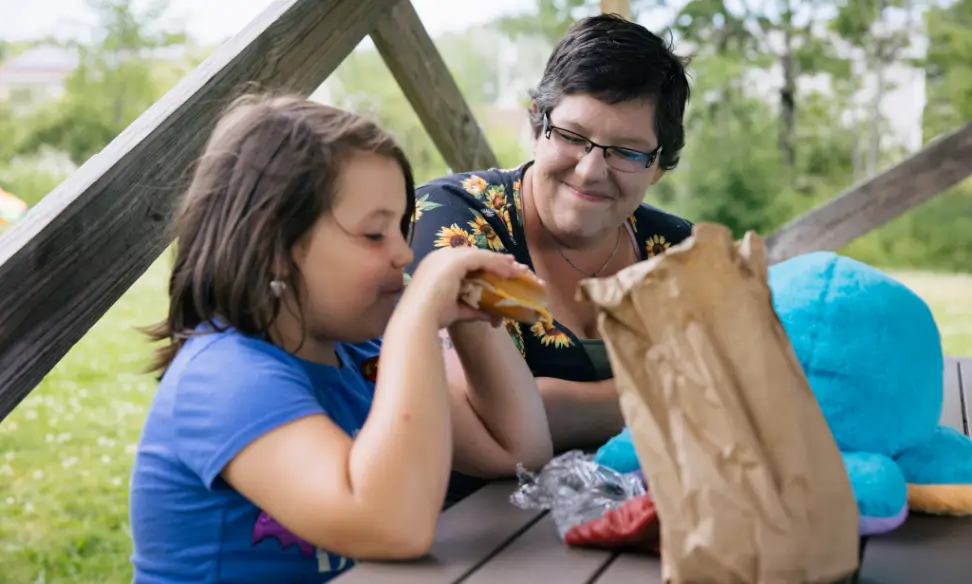
SNAP (Supplemental Nutrition Assistance Program) is a vital federal program that helps low-income individuals and families access the food they need. By providing monthly benefits for purchasing nutritious food, SNAP plays a key role in reducing hunger and promoting food security. Advocacy for SNAP ensures that this essential program continues to support those who need it most.
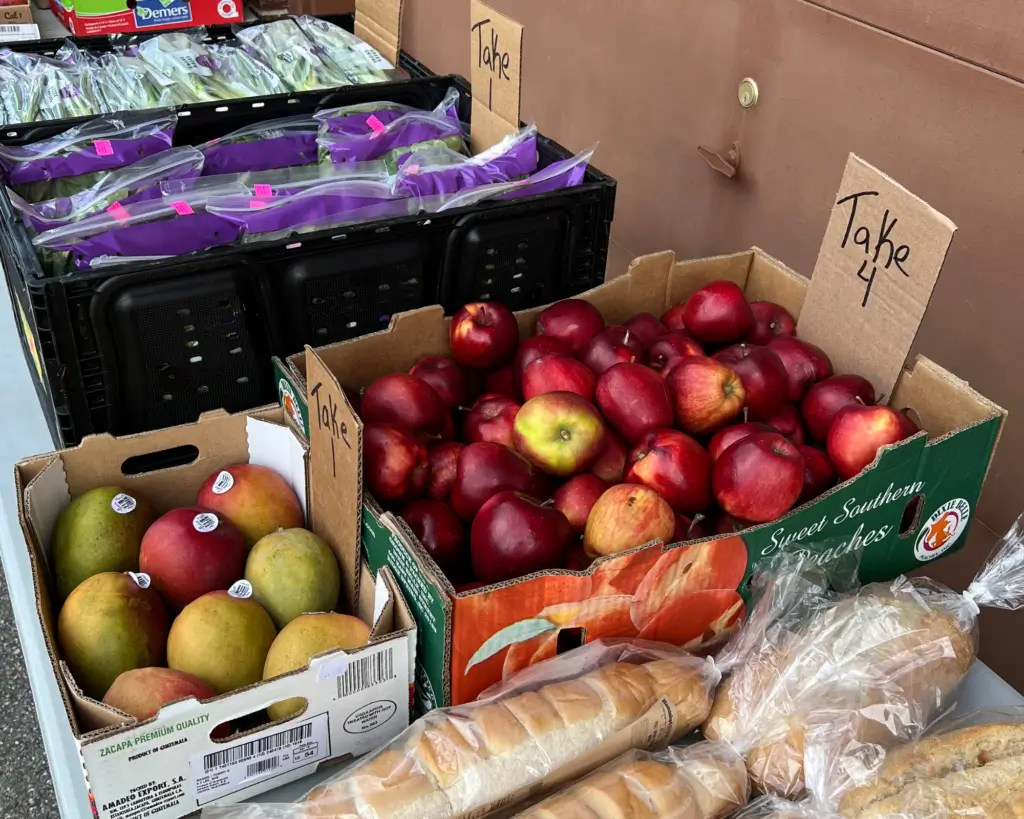
The Farm Bill is a comprehensive piece of legislation that affects food production, nutrition programs, and rural development. It includes funding for critical programs like SNAP, as well as initiatives that support farmers and food systems. Advocating for the Farm Bill ensures that food security is prioritized and that policies benefit both the agricultural community and those facing hunger.
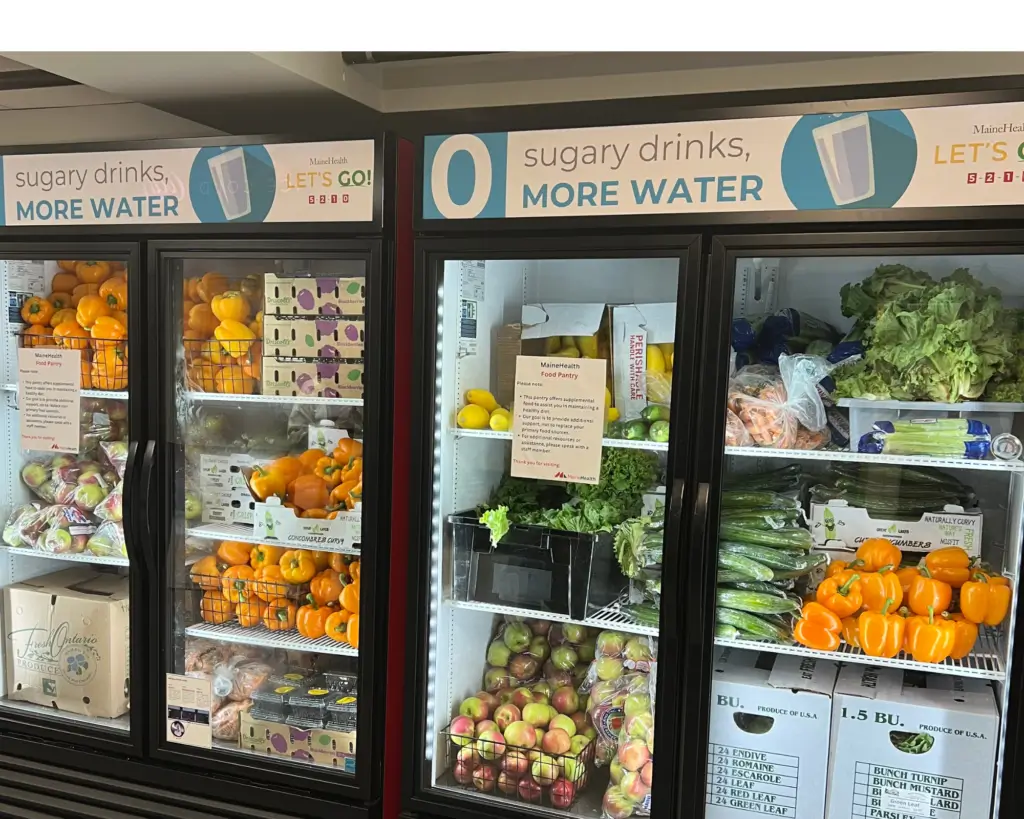
The Emergency Food Assistance Program (TEFAP) is a USDA commodity food program for families at risk of hunger. We work closely with The Maine Department of Agriculture to distribute to local hunger-relief agencies.
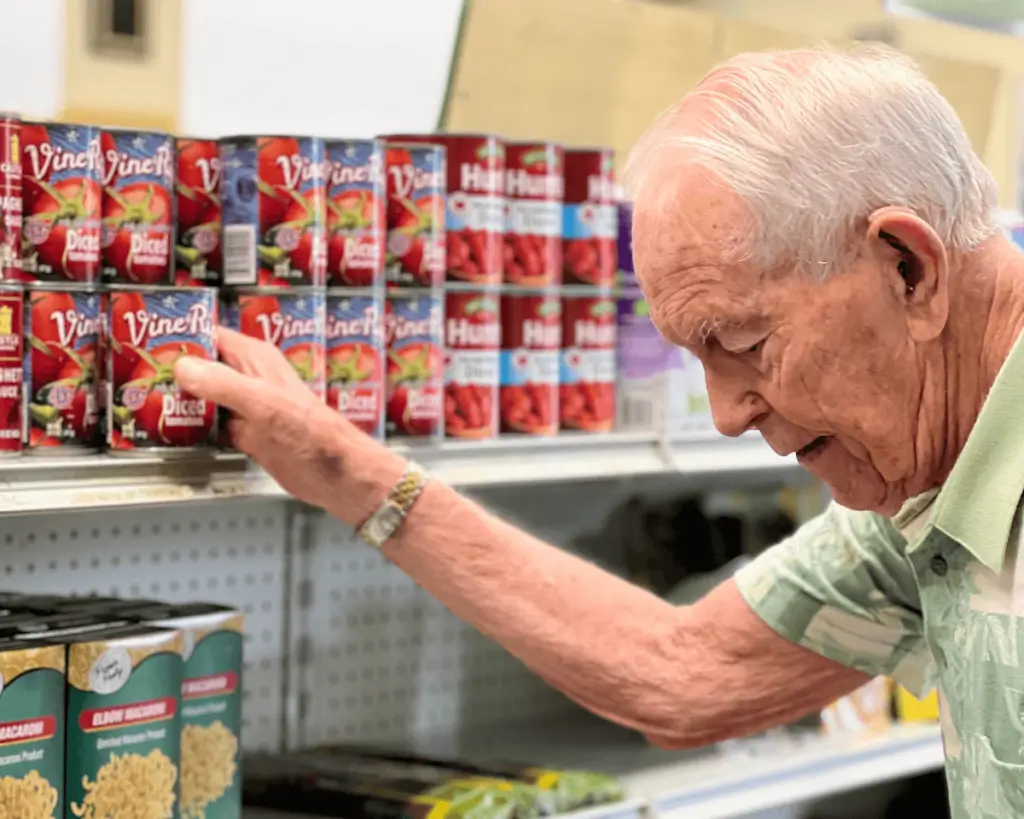
The Commodity Supplemental Food Program (CSFP) also known as Senior Food Boxes, works to improve the health of people ages 60+ by supplementing their diets with the nutritious USDA commodity foods they need to live healthier lives.
For Mainers facing hunger, these decisions are critical. With over 190,000 Mainers experiencing food insecurity, especially children, seniors, and low-income households, policy can strengthen or weaken the programs that serve them. Advocacy keeps food access a priority and ensures our community programs have the funding and support they need.
By speaking up, you help shape policies that empower local food systems and support Maine’s most vulnerable populations.

Fresh news and stories about our programs, efforts, and advocacy within our state and communities.