Mainers Feeding Mainers: A New Growing Season Begins
Across Maine, late spring is giving way to early summer. Fields are fully coming to life, greenhouses are being transitioned into open planting, and farmers are well into the work of the growing season. After a challenging year marked by drought conditions across much of the state, this time of year brings both cautious optimism and renewed determination for Maine’s farming communities.
For Good Shepherd Food Bank’s Mainers Feeding Mainers (MFM) program, the start of the growing season is more than planning, planting and growing. It is a time that highlights the strong partnerships between farmers, food producers, and communities across the state, all working toward a shared goal of ensuring Maine families have access to fresh, nutritious food.
Good Shepherd Food Bank’s Mainers Feeding Mainers program was formed in 2010 with nine farm partners. The mission of the program was, and remains, to increase access to nutritious, locally produced food by making bulk purchases from local farmers and food producers, which is then distributed directly to neighbors through nearly 600 Food Bank partners.
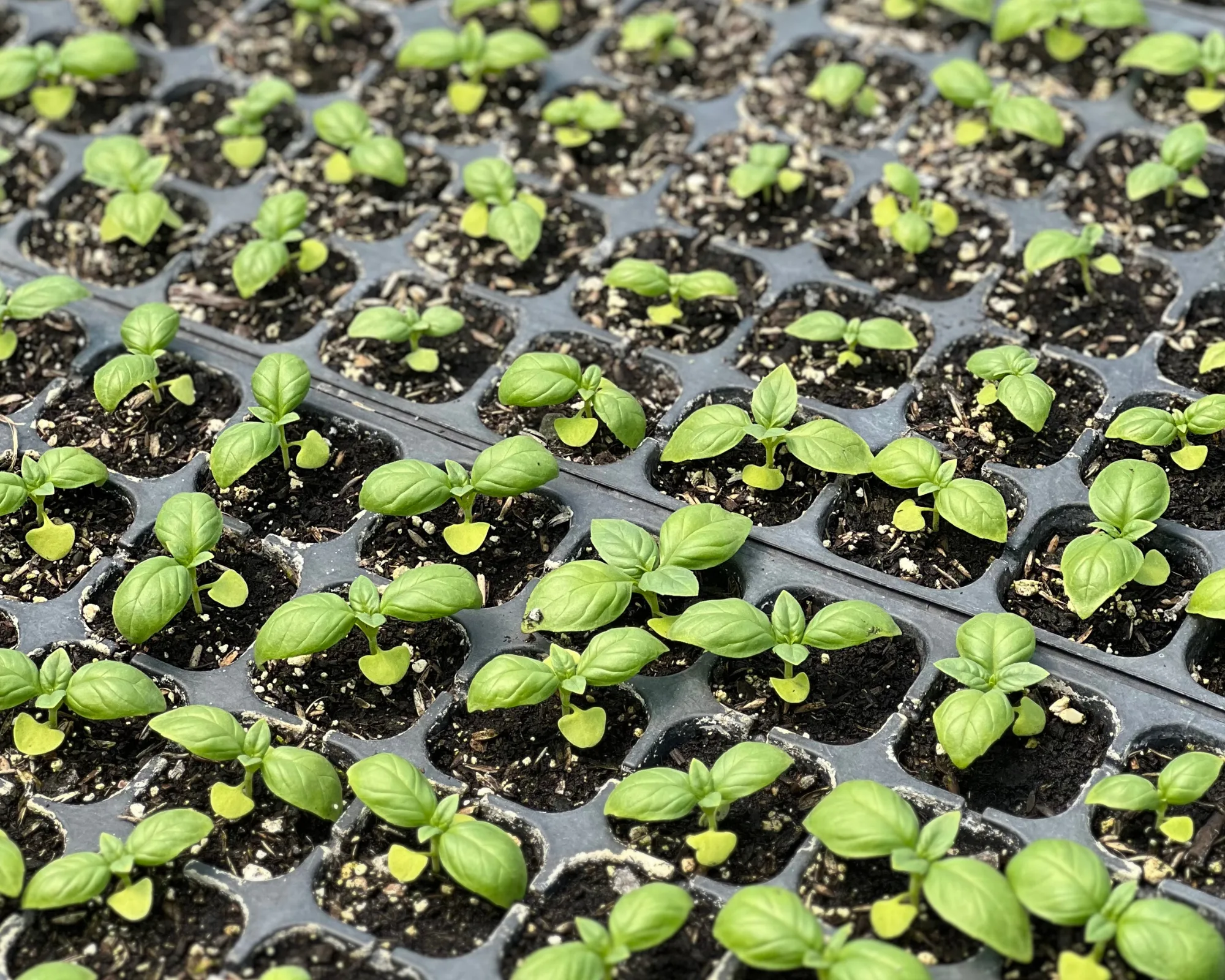
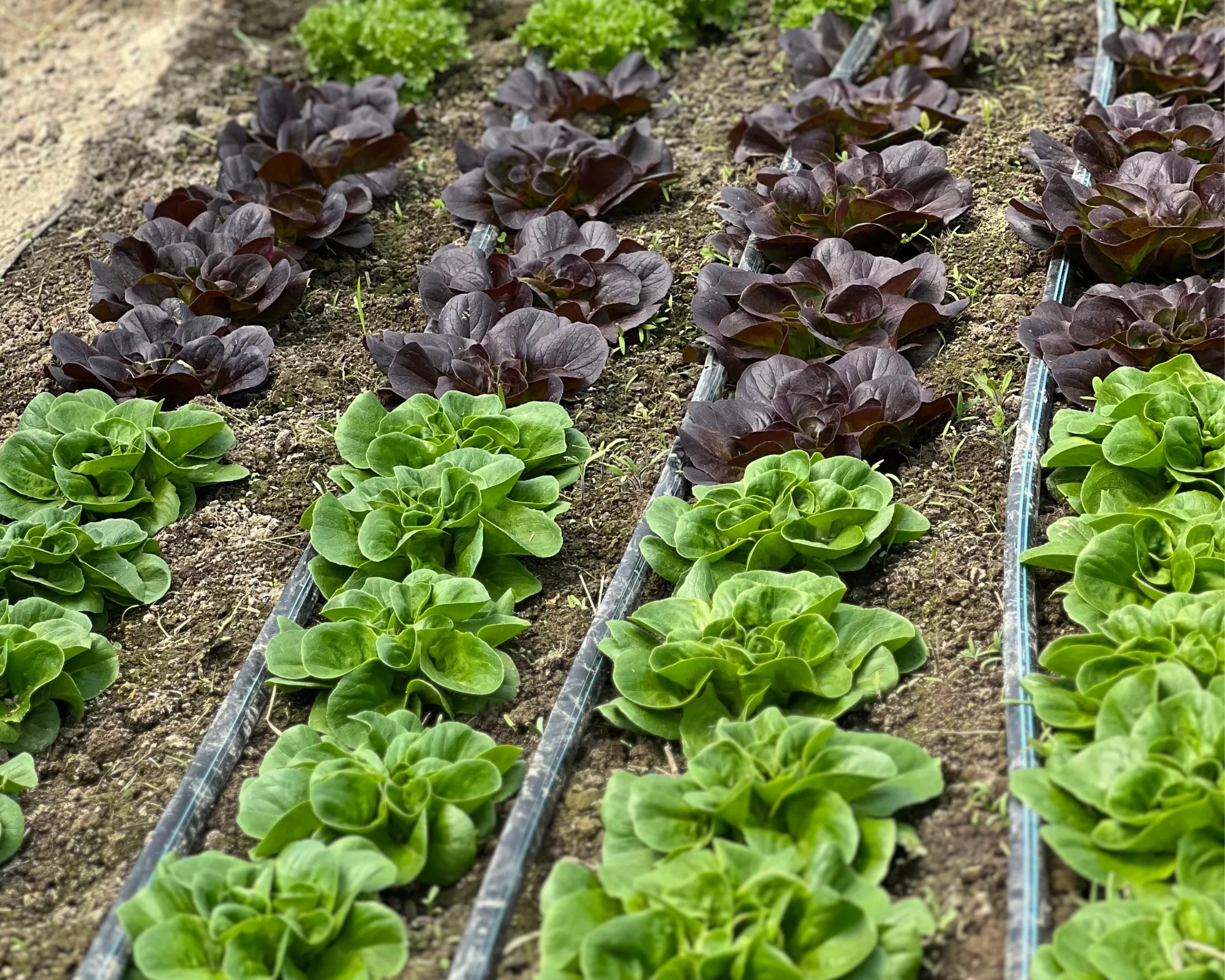
What began as a small pilot program has grown into a statewide network of more than 90 farm and food producer partners across Maine. In its very first year, Mainers Feeding Mainers distributed 150,000 pounds of fresh, local food. Since 2010, the program has distributed more than 28 million pounds of Maine-produced food while investing more than $15 million into Maine’s agricultural economy.
Each year, the Food Bank develops purchase agreements with farm partners, committing to buy certain products from them before the growing season begins. These agreements help provide farmers with predictable markets and stable income while ensuring the Food Bank can secure fresh, local food at competitive prices. Because the program enters contracts early and remains flexible if weather or crop conditions create challenges, the Food Bank can maximize resources and acquire more food for Maine communities.
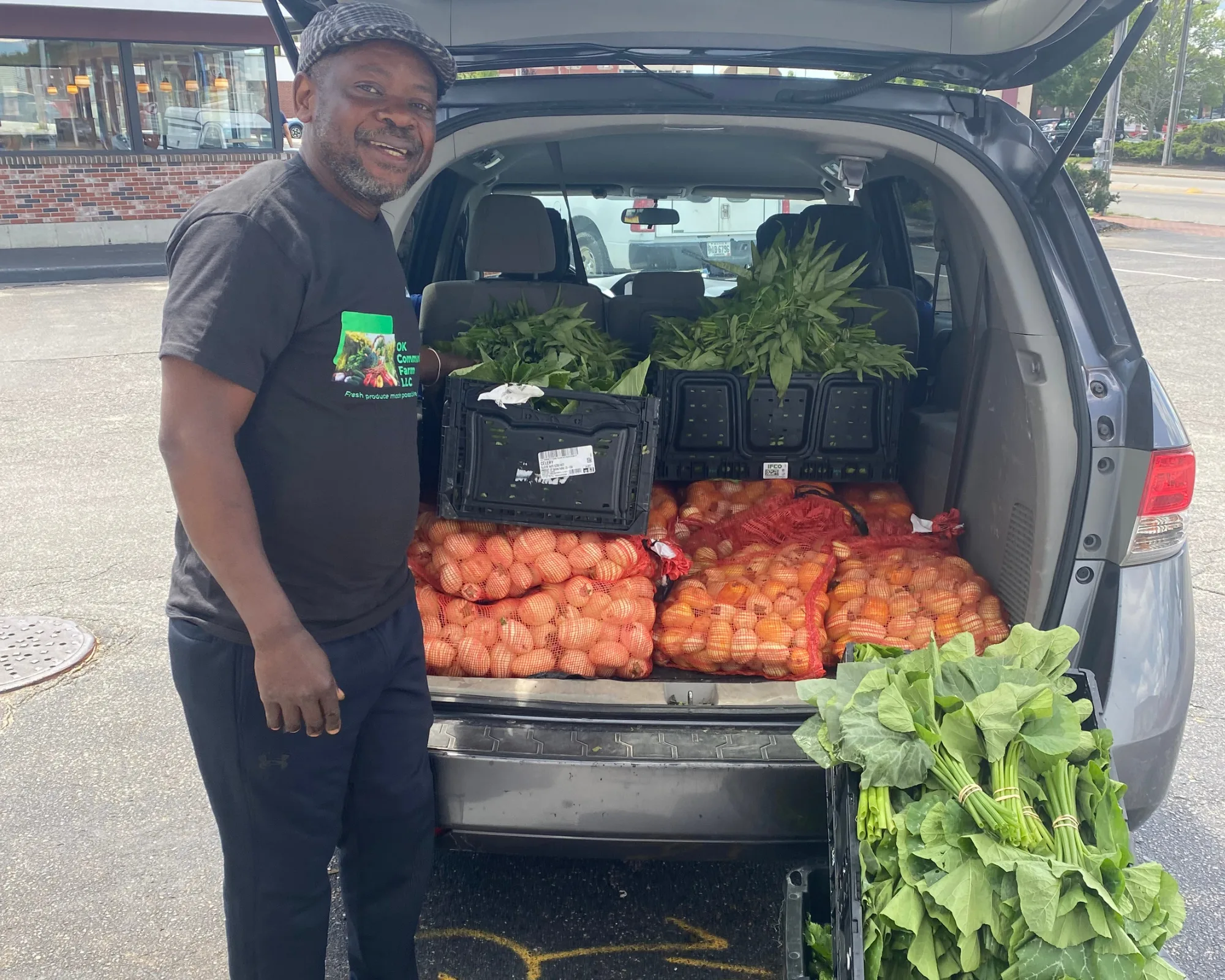
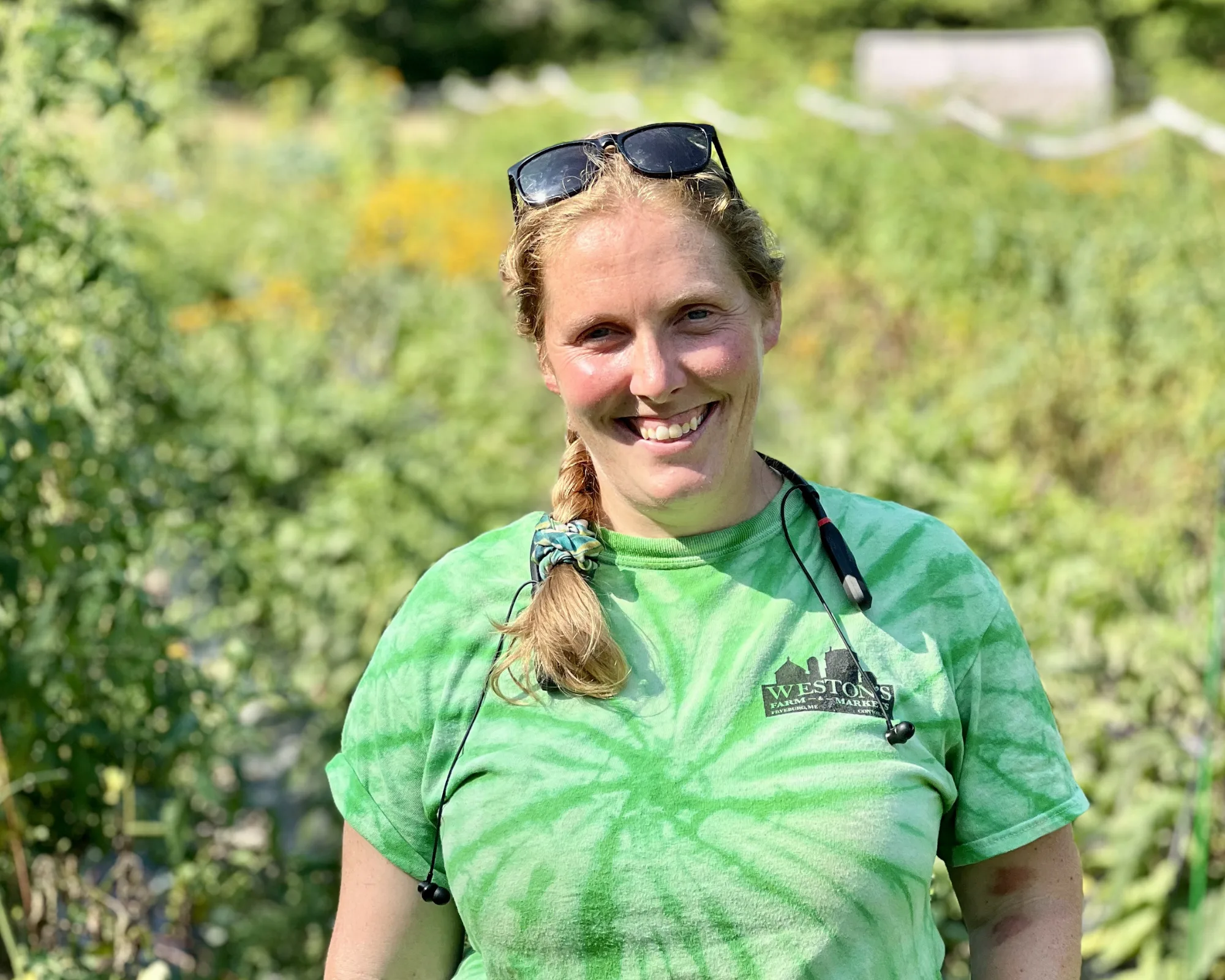
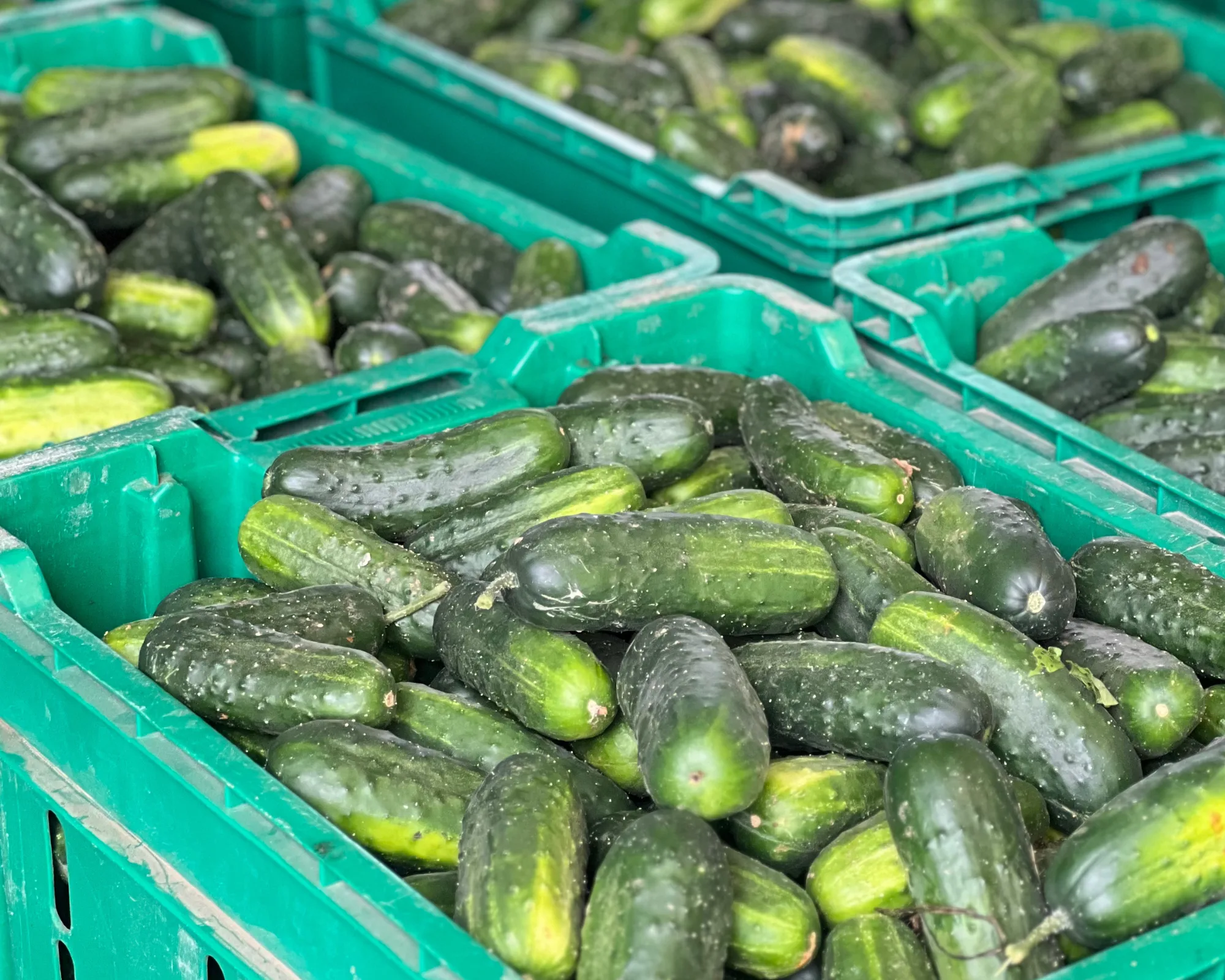
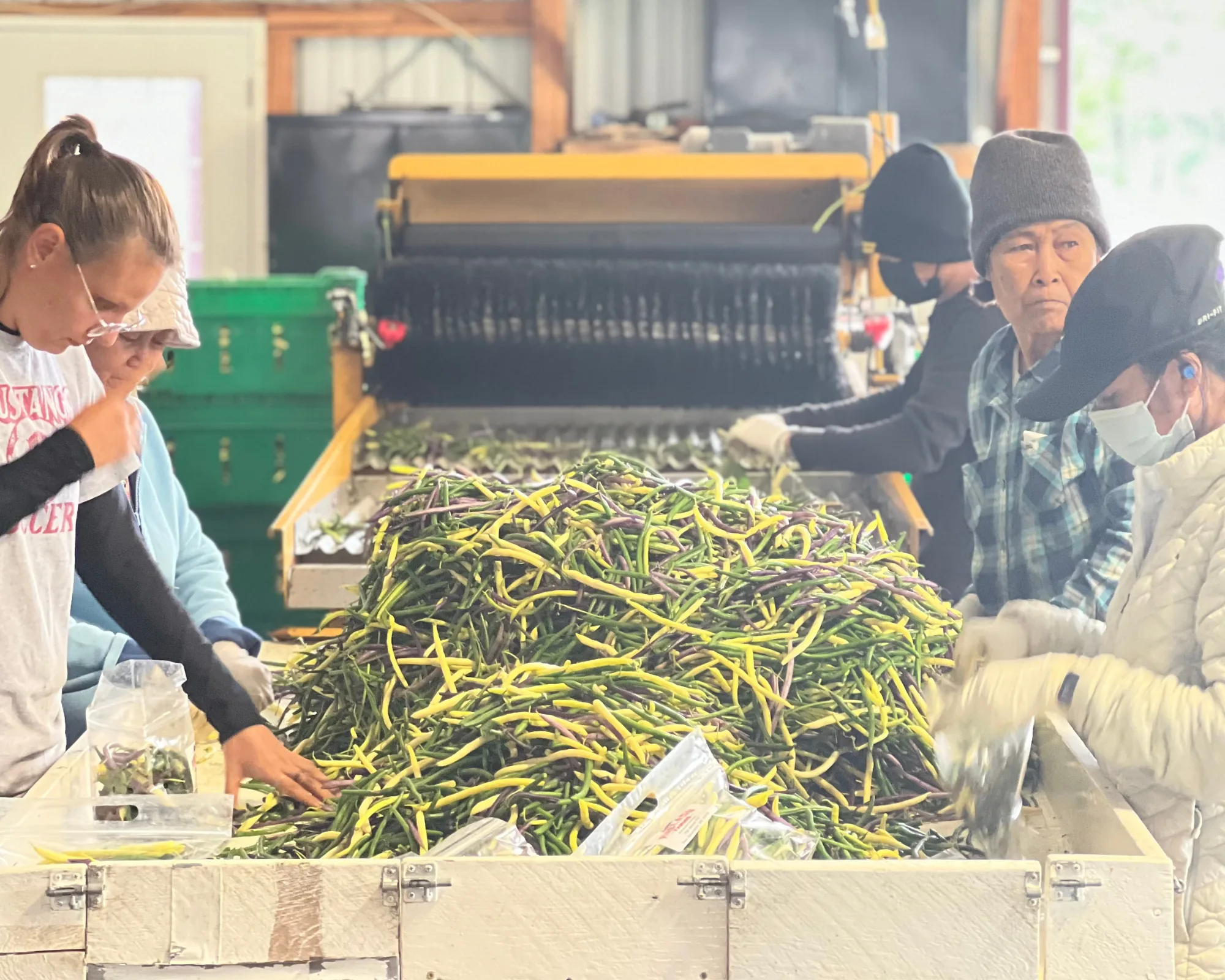
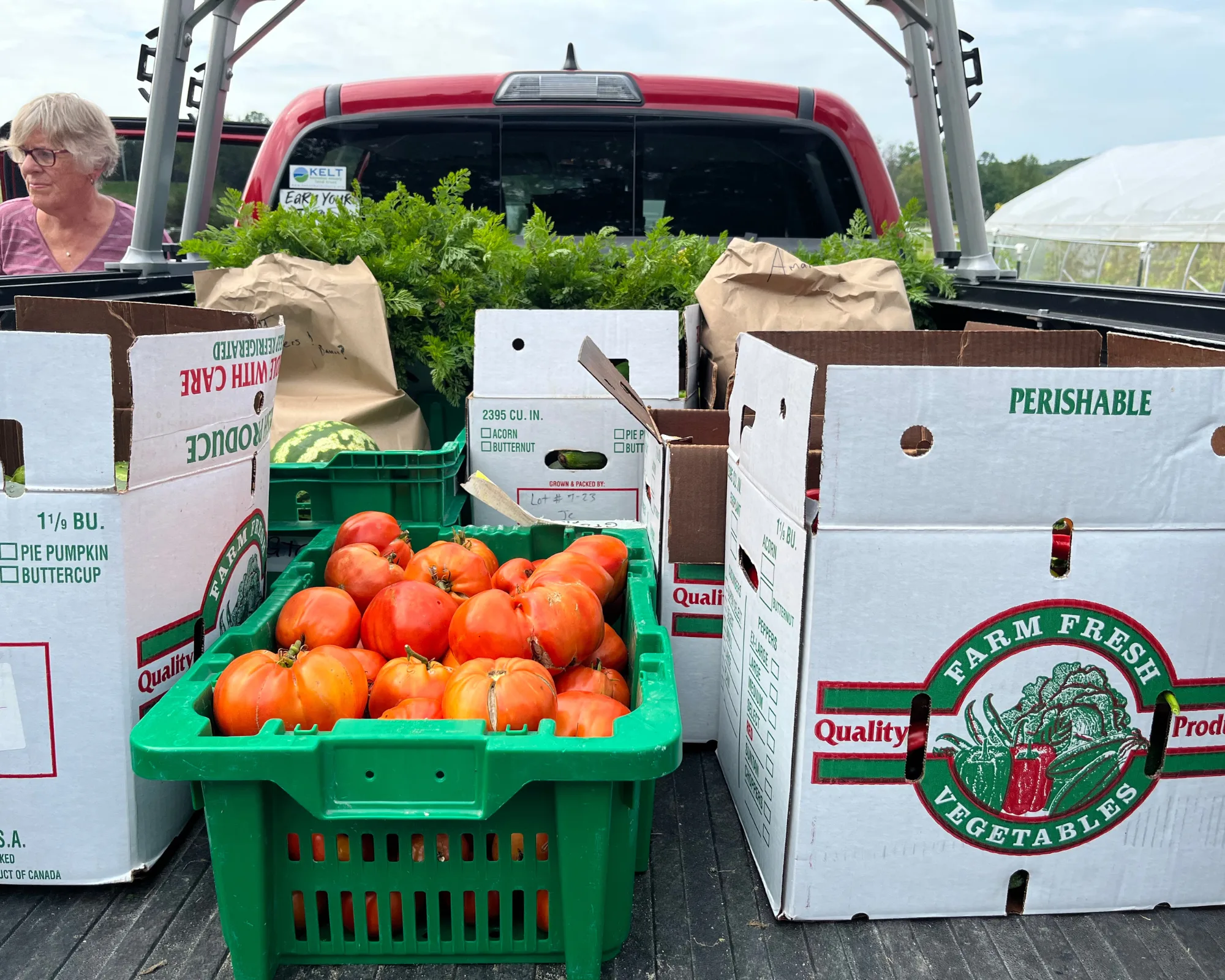
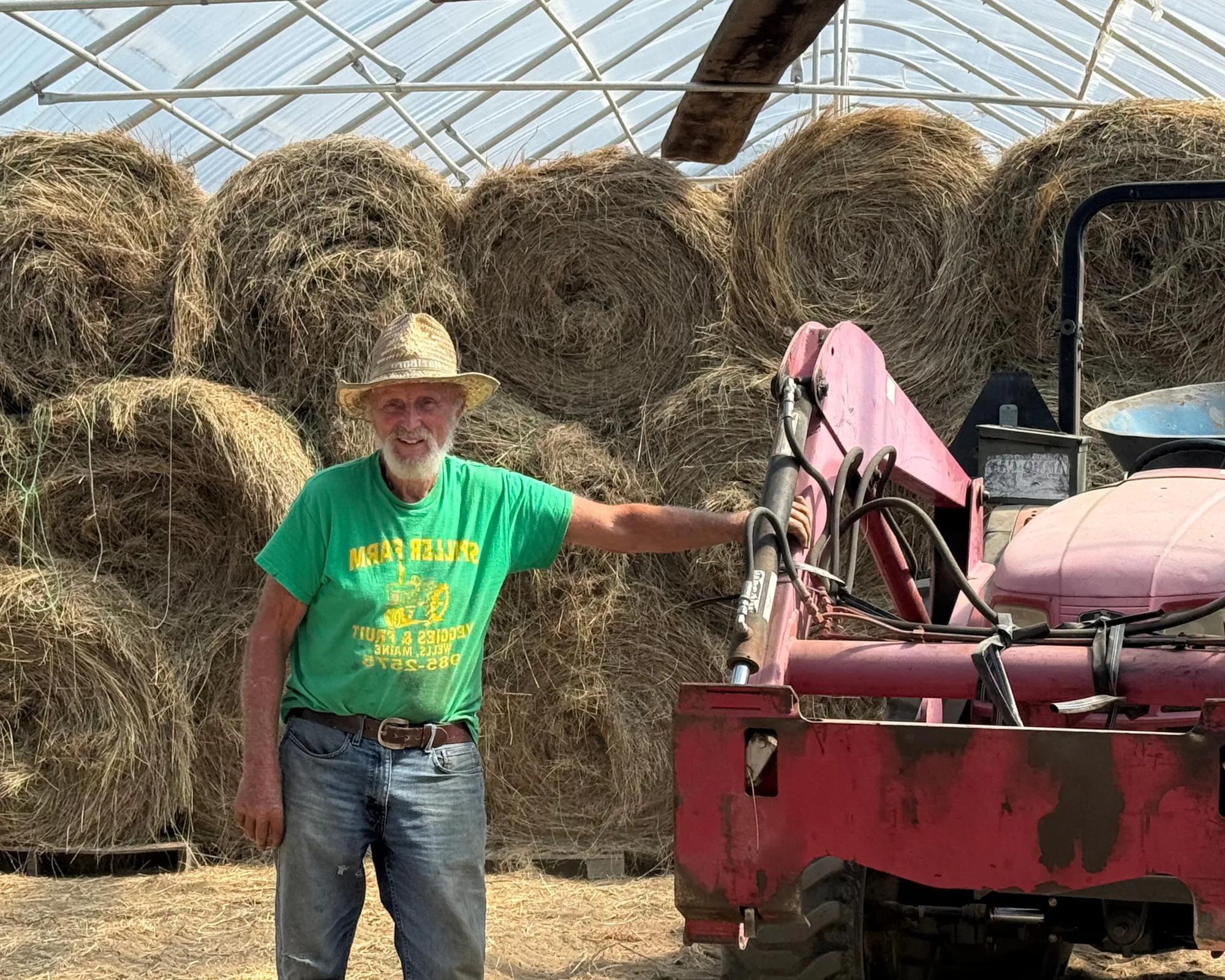
That flexibility is especially important after last year’s drought impacted many farms across the state. Maine farmers know firsthand how unpredictable weather can affect crops, harvest schedules, and yields. In a state as large and geographically diverse as Maine, growing conditions can vary greatly from one region to another. While southern Maine farms may begin planting earlier in the season, northern parts of the state are often still experiencing colder temperatures and later frosts. Rainfall and drought conditions can also look very different depending on the region, creating unique challenges for farmers across the state. Even so, spring is a season of hope and hard work. Farmers are preparing fields, repairing equipment, starting seedlings in greenhouses, and carefully planning for the months ahead.
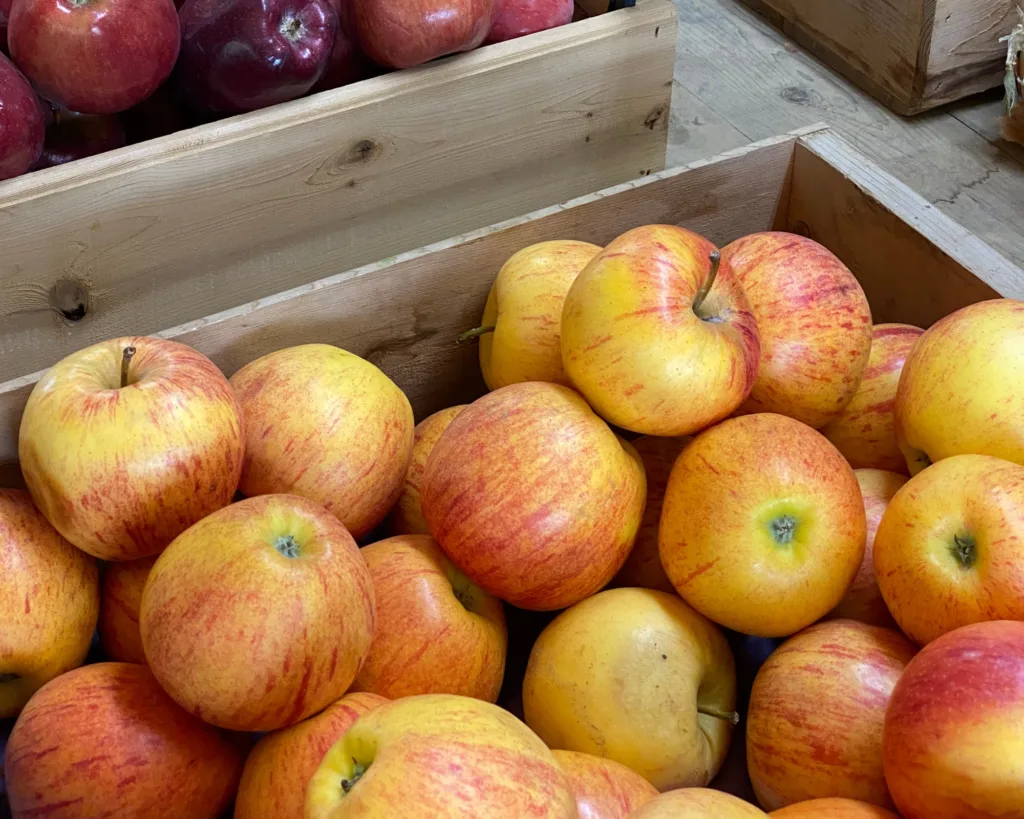
The farms participating in Mainers Feeding Mainers vary greatly in size and specialty, reflecting the diversity of Maine agriculture itself. Some are multigenerational family farms growing vegetables on a few acres, while others are larger operations producing food at scale. Together, they bring an incredible variety of freshness to the table, whether they are growing tomatoes, catching fish, milking cows, or pulling frames from hives and cutting away wax to harvest fresh honey.
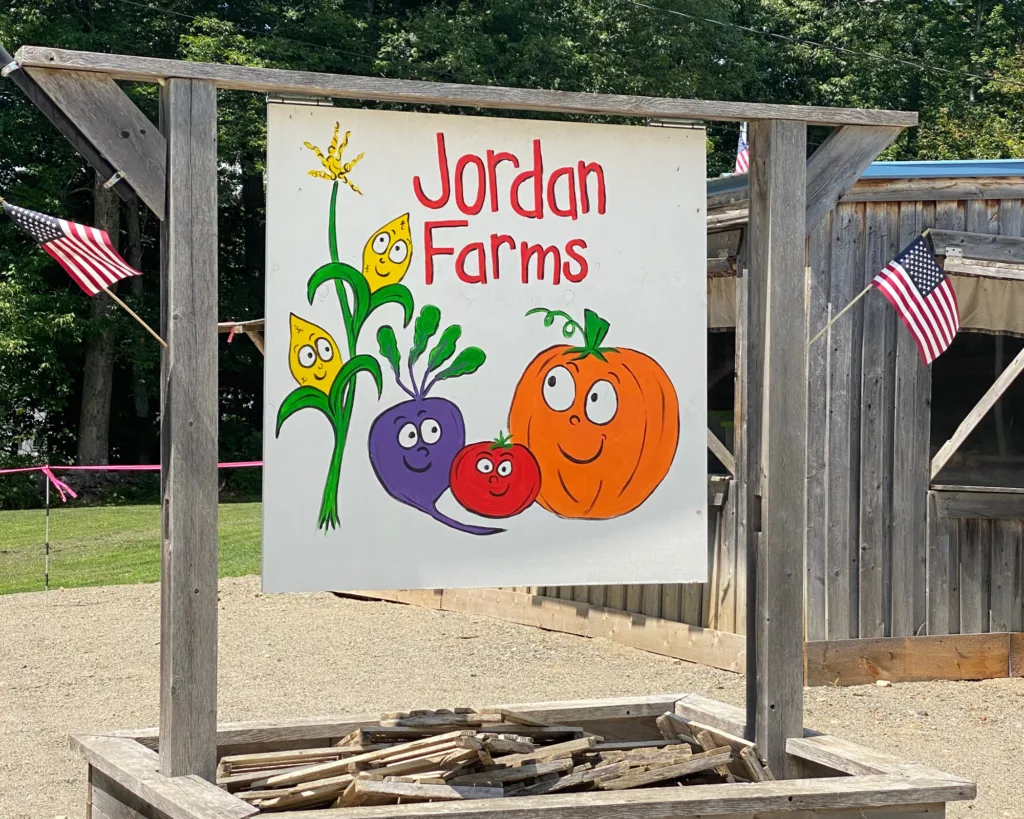
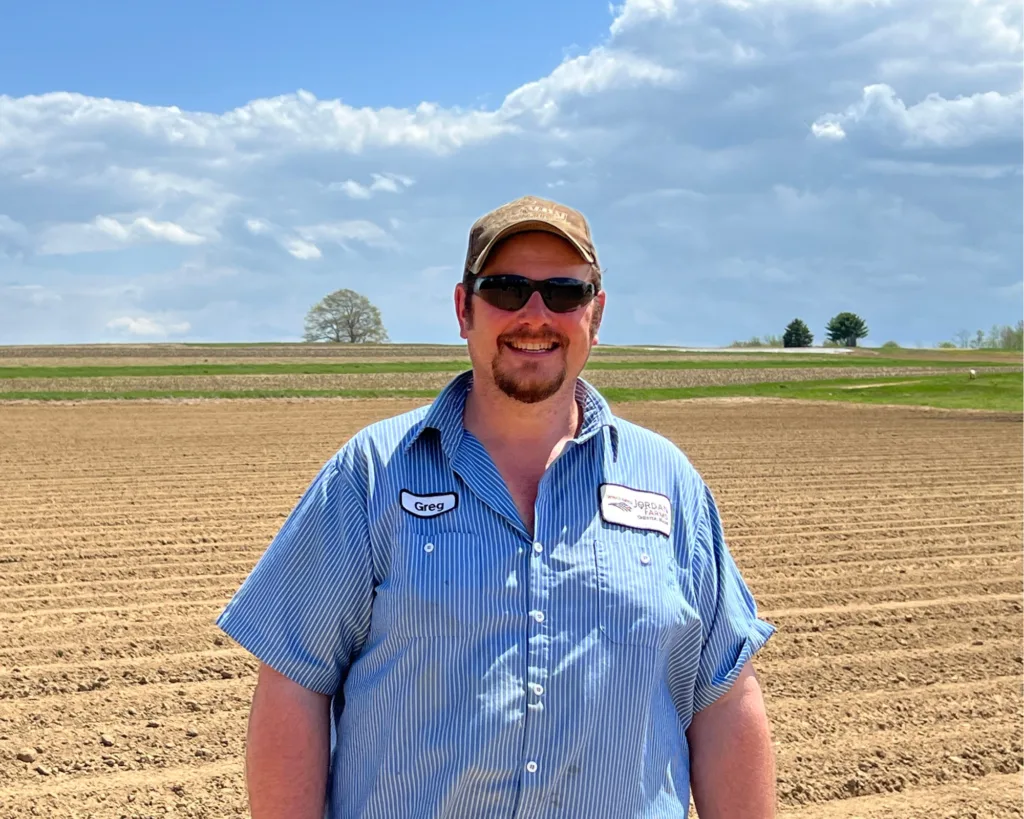
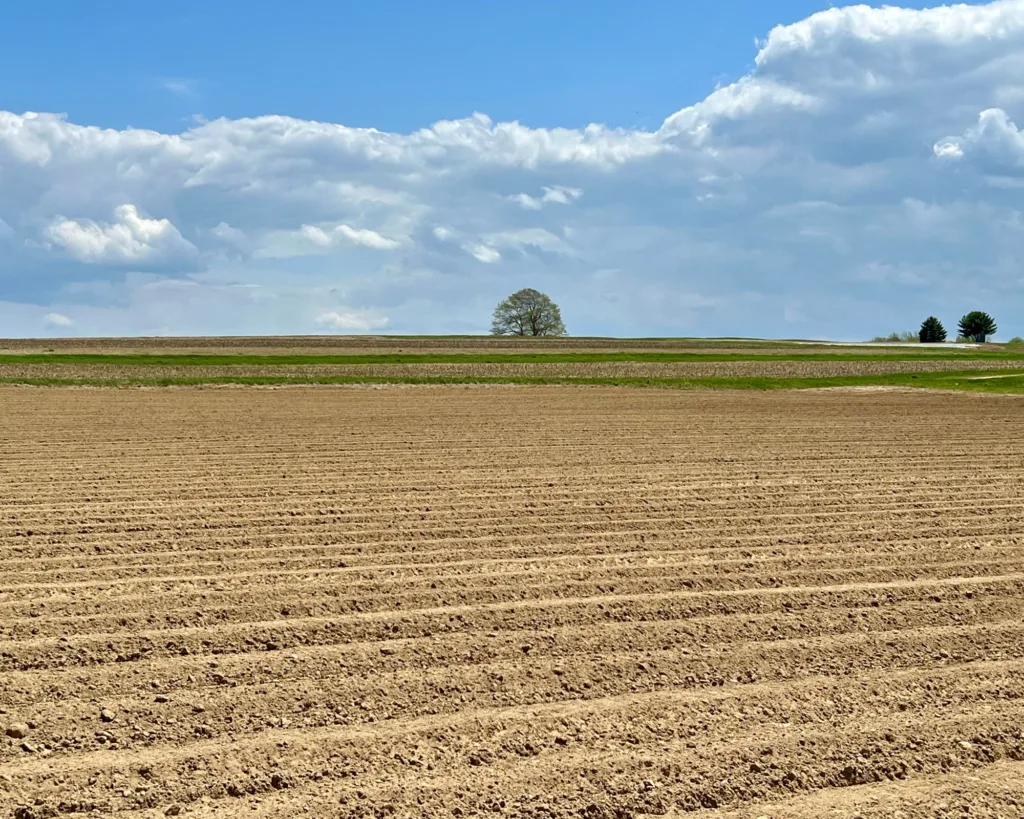
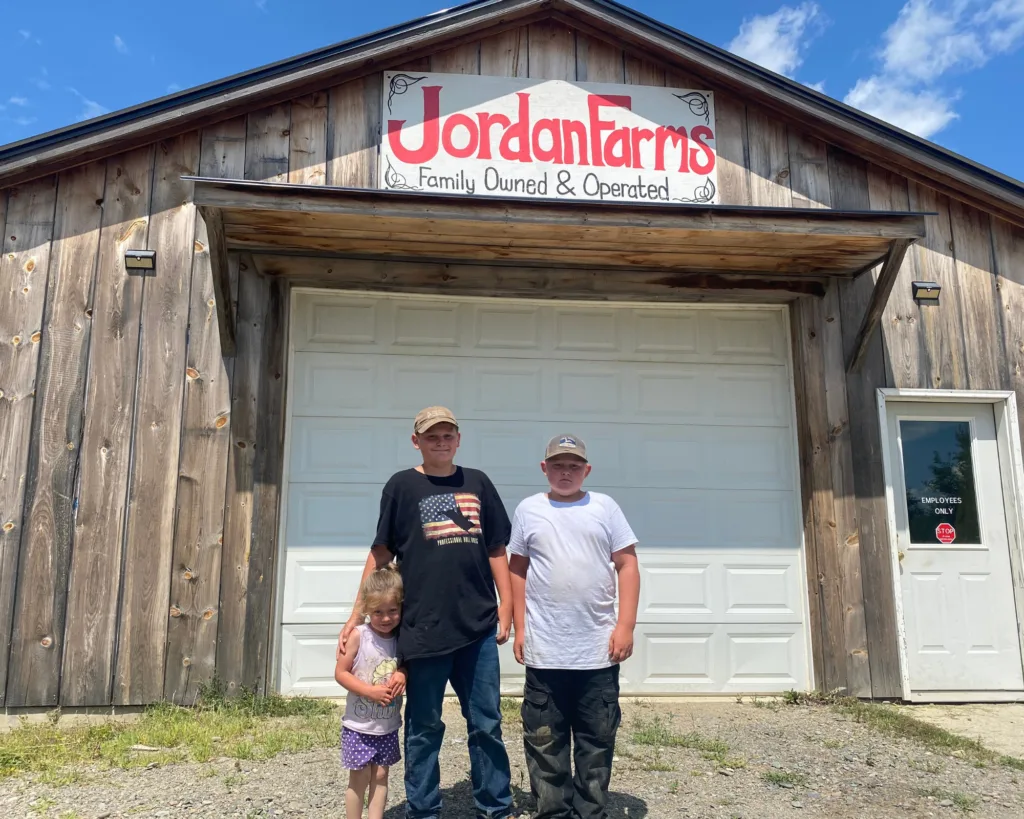
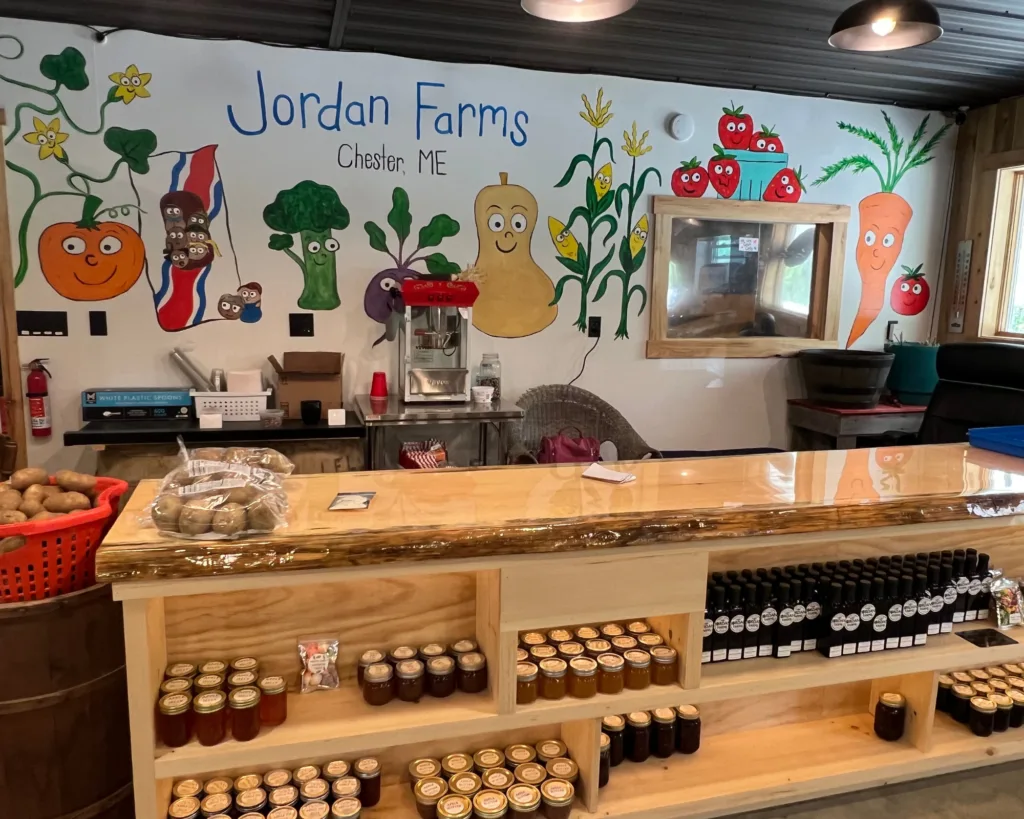
One example is Jordan Farms in Chester, Maine, home of the well-known Chester Gold Corn. Greg Jordan and his family have partnered with Mainers Feeding Mainers since 2015, helping provide fresh produce to Maine communities while running a truly family-centered farm.
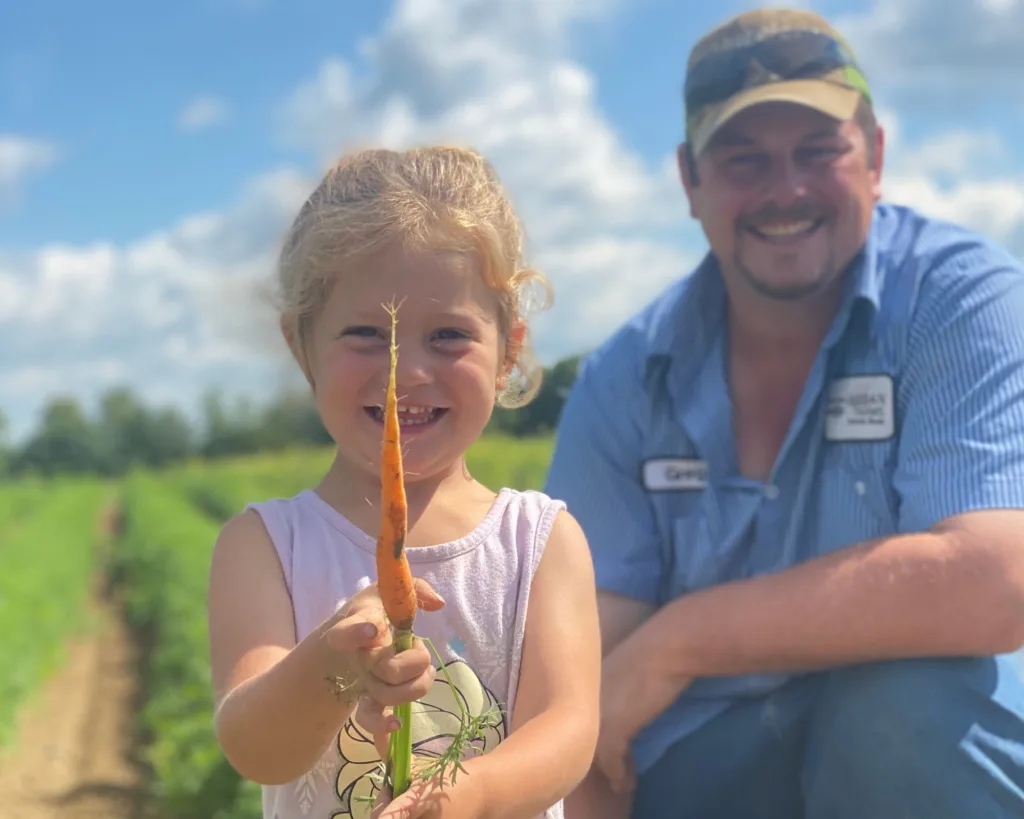
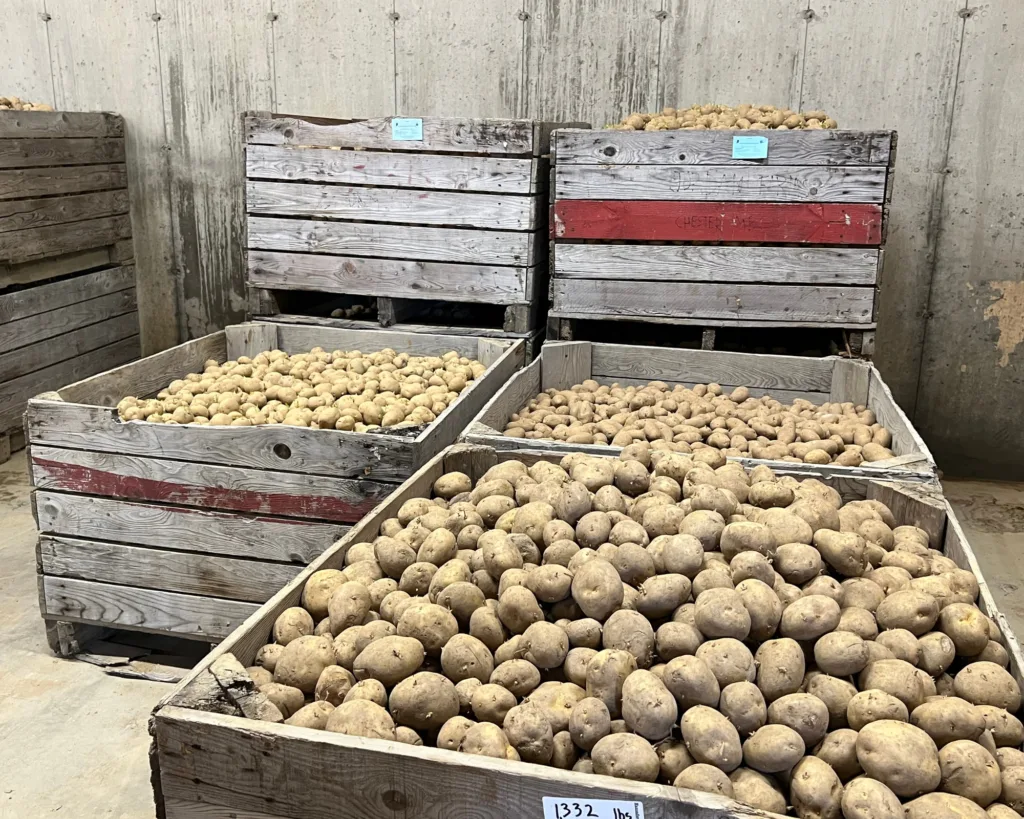
Greg’s wife, Jessica, manages the farm stand while Greg’s parents help clean and pack produce for deliveries and stock the stand. Their children, Warren, Riley, and Adrianne, all pitch in throughout the growing season, helping in the fields and packing produce. Over the years, we have had the privilege of watching the children grow alongside the farm itself. Adrianne was just a newborn when the family operated out of the original farm stand. Now, when the school bus drops them off in the afternoon, their friends often join in as helpful farm hands too. Across the farm, there are play areas tucked into different parts of the fields where the kids can pause their farm work for some extra fun. During lunch breaks, basketball games often break out before everyone heads back to work sorting produce, bagging potatoes, and taste testing carrots.
The Jordan children have also seen firsthand how the food they grow helps neighbors in their community through their volunteer work at the Burlington Food Pantry. They have experienced the full circle moment of harvesting and packing produce on the farm, then later helping distribute that same food to families at the pantry. The kids often joke about how many times they have handled the same potatoes by the time they make it from the field to a neighbor’s hands. It is truly a family-fun farm filled with humble hard work and a lot of laughter.
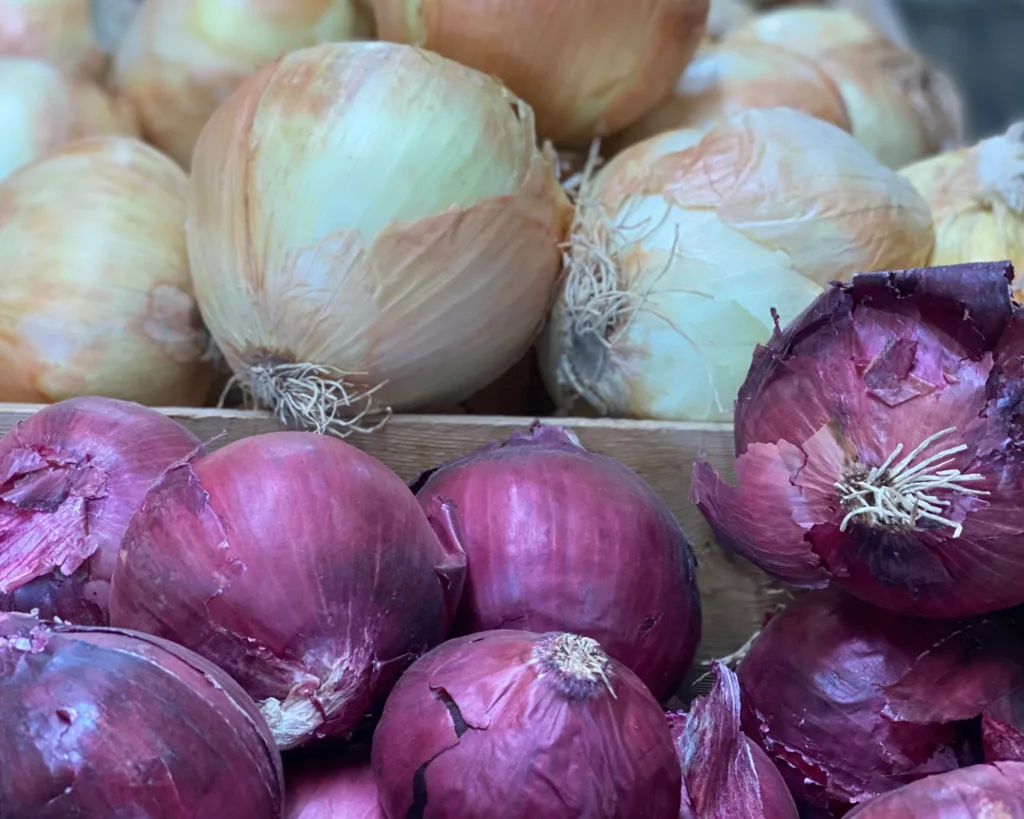
Most Mainers Feeding Mainers local food is delivered to the Food Bank’s distribution centers, where they become available as inventory for partner agency orders across the state. From there, fresh produce and locally sourced foods are distributed to partners at no cost.
At the same time, a significant amount of food is delivered directly by farmers to hunger-relief organizations in their own communities. The Food Bank coordinates deliveries to food pantries, schools, healthcare centers, and senior living facilities throughout Maine. As more partners embrace a farm-to-pantry model, community relationships grow stronger, transportation barriers are reduced, and fresh food reaches neighbors at peak freshness.
All Food Bank partners have access to Mainers Feeding Mainers products at no cost, helping ensure that healthy, locally produced food is accessible to families and individuals experiencing food insecurity. Whenever we speak with neighbors at food pantries across the state, they consistently tell us that fresh fruits and vegetables are among the most valued items they receive.
The impact of Mainers Feeding Mainers reaches far beyond pounds distributed. The program strengthens Maine’s local food economy, supports farmers through reliable purchasing agreements, and helps build a more resilient food system.
As fields are planted and another growing season begins, Good Shepherd Food Bank is excited for another year of partnership with Maine farmers, food producers, and hunger-relief organizations across the state. Together, the Mainers Feeding Mainers program continues to demonstrate what is possible when communities invest in local agriculture and work collectively to ensure all Mainers have access to fresh, nutritious food.
Many generous donors have helped to grow Mainers Feeding Mainers over the past 15 years. Initial funding was provided from the Maine Department of Agriculture, Conservation and Forestry, the John T. Gorman Foundation, Elmina B. Sewall Foundation, Sandy River Foundation, John Merck Fund, Betterment Fund, Sam L. Cohen Foundation, and the New Balance Foundation. We are grateful to these donors as well as the Maine Community Foundation and dozens of other supporters committed to strengthening Maine’s food system.