SNAP Helps Maine Families Put Food on the Table
SNAP, the Supplemental Nutrition Assistance Program, helps thousands of Mainers—children, older adults, veterans, and working families—put nutritious food on the table every month. It’s about more than groceries. It’s about strengthening communities across the state.

What is SNAP?
SNAP provides monthly benefits that help eligible individuals and families buy groceries at authorized retailers, making it easier for Mainers to consistently access healthy food and stretch their monthly budget.
For many households across the state, SNAP serves as a bridge during financial hardship, offering support while people work, attend school, care for loved ones, or recover from the unexpected.
Six Decades of Fighting Hunger
-

1939
The first Food Stamp Program (FSP) created as a pilot program during the Great Depression. For every $1 worth of orange stamps purchased, 50 cents worth of blue stamps were received.
- Orange stamps could be used to buy any food
- Blue stamps could only be used to buy food determined by the Department to be surplus
-

1943
It was decided the program would end as unmarketable food surpluses and widespread unemployment were no longer issues.
-

1961
Fulfilling a campaign promise made to West Virginians, President John F. Kennedy’s first executive order kicked off the USDA Food Stamp pilot programs.
- Americans still had to pay for Food Coupons
- Special stamps for surplus foods were eliminated
- By January 1964, the pilot programs had expanded from eight areas to 43 (40 counties, Detroit, St. Louis, and Pittsburgh) in 22 states with 380,000 participants
-
1964
As part of President Lyndon Johnson’s “War On Poverty,” he requests congress to pass legislation making the Food Stamp Program (FSP) permanent, and congress ultimately passes Food Stamp Act of 1964.
- Requires state plan of operation and eligibility standards by states
- Requires recipients to purchase their food stamps
- Food eligibility established: all items intended for human consumption except alcoholic beverages and imported foods
- Responsibilities were divided between states and federal government, including the shared responsibility for administrative costs
-
1968
The CBS documentary Hunger in America is released and exposes the widespread poverty and malnutrition plaguing Americans in San Antonio, Texas. The film exposed major issues with the government’s program.
-

1971
The Food Stamp Act Amendment passes Jan. 11, 1971, and it set the first national eligibility standards and work registration rules for the program.
- Required allotments to match the cost of a nutritionally adequate diet
- Capped households’ purchase requirement at 30% of income
- Added an outreach requirement
- Covered 62.5% of states’ administrative costs
- Expanded the program to Guam, Puerto Rico, and the U.S. Virgin Islands
-

1973
The Agriculture and Consumer Protection Act passes on Aug. 10, 1973. Required every state to offer the program in all counties by July 1974.
- Extended eligibility to people in treatment for drug or alcohol addiction
- Added seeds and plants (for growing food) as an eligible purchase
- Set up twice-yearly benefit adjustments and every-other-month issuance
-

1974
PL 93-347 passes on July 12, 1974, raising the federal share of states’ administrative costs to 50% and setting new standards for efficient state administration. The program goes nationwide on July 1, 1974, reaching Puerto Rico by that November.
-

1976
Participation hits a new record high of 18.5 million people.
-

1977
The Food and Agriculture Act of 1977 passes, eliminating the purchase requirement that had long been considered a barrier to participation, a change advocates had pushed for years under the name “EPR.”
- Established income eligibility guidelines at the poverty line
- Introduced a standard deduction to simplify benefit calculations
- Raised the general resource limit to $1,750
- Allowed applications by mail, phone, or home visit
- Set a 30-day standard for processing applications
- Required states to have a disaster response plan
-

1979
The purchase requirement is officially eliminated on Jan. 1, 1979. Participation jumps by 1.5 million people in a single month.
-

1981-1982
Facing a program that had grown large and expensive, Congress and the Reagan administration enacted a series of cuts in two years.
- Added a gross income test alongside the existing net income test
- Slowed cost-of-living adjustments from twice a year to once annually
- Froze the standard deduction and shelter deduction cap
- Counted retirement accounts as a resource
- Increased penalties for people who voluntarily quit their jobs
-

1983
The Emergency Food Assistance Act establishes TEFAP (The Emergency Food Assistance Program), distributing surplus USDA commodities through food banks, a direct response to rising need during the recession.
-
1985
The Food Stamp Act of 1985 requires every state to run an Employment & Training (E&T) program by April 1987, connecting benefits to job search, training, or work experience.
-
1988 & 1990
The Hunger Prevention Act of 1988 and the Mickey Leland Memorial Domestic Hunger Relief Act of 1990 build on that momentum.
- Increased benefits by adjusting the Thrifty Food Plan multiplication factor
- Established EBT (electronic debit card) as an alternative to paper stamps
- Authorized new nutrition education grant
-
1992
Seven states, New Hampshire, Ohio, New York, Minnesota, Wisconsin, Oklahoma, and Washington, get the first approved Food Stamp Nutrition Education (FSNE) plans, laying the groundwork for what becomes SNAP-Ed.
-
1993
The Mickey Leland Childhood Hunger Relief Act delivers $2.8 billion in benefit increases.
- Eliminated the cap on the shelter deduction, starting Jan. 1, 1997
- Added a deduction for legally required child support payments
- Raised the cap on the dependent care deduction
- Simplified how households are defined for eligibility
-

1994
Participation hits a new record high of 27.5 million people, capping several years of steady growth.
-
1996
The Personal Responsibility and Work Opportunity Reconciliation Act (“Welfare Reform”) reshapes both cash assistance and food stamps.
- Ended eligibility for most legal immigrants
- Set a three-month time limit in a 36-month period for able-bodied adults without dependents (ABAWDs) who aren’t working or in a training program
- Reduced maximum benefit amounts
- Froze the standard deduction, vehicle limit, and minimum benefit
- Required all states to adopt EBT by Oct. 1, 2002
-

1997 & 1998
The Balanced Budget Act and the Agricultural Research, Education and Extension Act adjust some of the 1996 cuts.
- More than doubled Employment & Training funding, with most of it directed to ABAWDs
- Restored eligibility for certain elderly, disabled, and child immigrants already living in the U.S. when welfare reform passed
-

2002
The Farm Security and Rural Investment Act (2002 Farm Bill) focuses on rebuilding access after participation declined through the late 1990s.
- Restored eligibility for legal immigrants living in the U.S. at least five years
- Restored eligibility for immigrant children and immigrants receiving disability payments, regardless of time in the country
- Gave states new options to simplify the program, including transitional benefits for people leaving cash assistance
- Replaced the old penalty system for error rates with a performance bonus system
-

2004
By July 2004, all 50 states, D.C., the Virgin Islands, and Guam have EBT systems fully operating statewide, completing the shift from paper stamps to debit cards nationwide.
-
2008
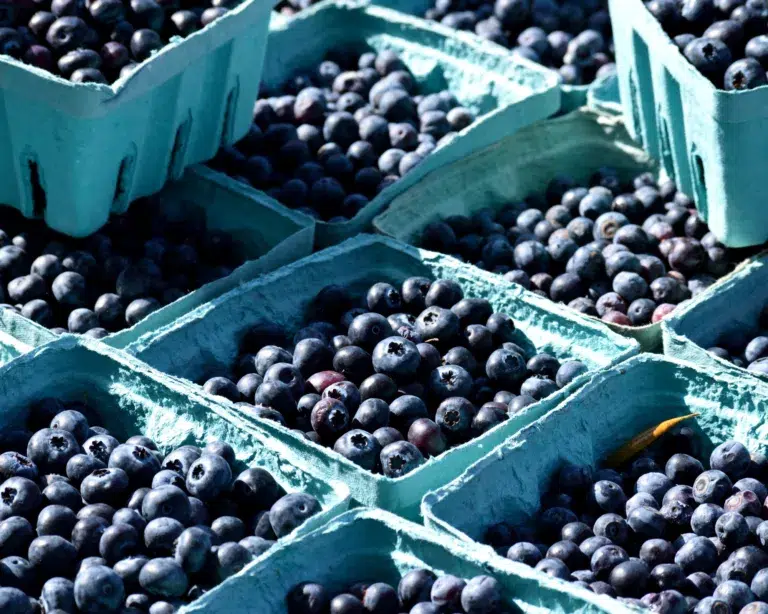
Participation hits a new record high of 28.2 million people. The Food, Conservation, and Energy Act (2008 Farm Bill) renames the program SNAP, officially retiring the food stamp name to help reduce stigma.
- Increased the minimum benefit and standard deduction
- Increased minimum benefits for one- and two-person households
- Eliminated the cap on the childcare expense deduction
- Indexed asset limits to inflation
-

2009
The American Recovery and Reinvestment Act (ARRA) increases SNAP benefits by 13.6% in response to the Great Recession, adding about $80 a month for a four-person household. The boost runs from April 2009 through October 2013.
-

2010
The Healthy, Hunger-Free Kids Act reshapes SNAP-Ed, shifting it to 100% federal grant funding and broadening its focus beyond nutrition education alone.
- Expanded SNAP-Ed to include physical activity and obesity prevention
- Made SNAP-Ed a fully federally funded grant program, with no state match required
- Strengthened public health approaches to nutrition education
-
2013
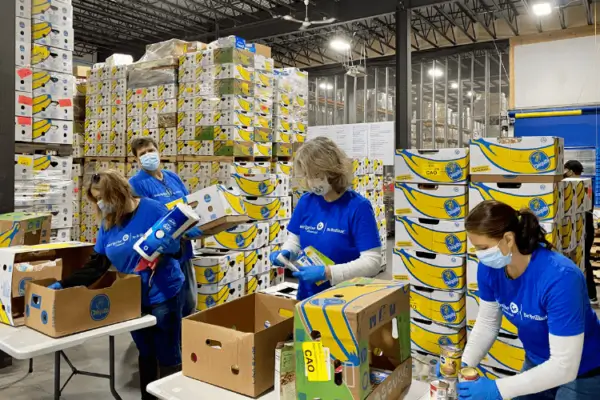
Participation hits a record high of approximately 47.6 million people, reflecting continued strain from the Great Recession. The temporary benefit increase from the 2009 Recovery Act ends early, on Nov. 1, 2013.
-

2014
The Agricultural Act of 2014 (2014 Farm Bill) reauthorizes SNAP and modernizes how people access benefits.
- Strengthened retailer standards and fraud prevention efforts
- Authorized pilot programs for purchasing SNAP benefits online
- Allowed SNAP use at farmers markets and with producers who sell directly to consumers
- Created Food Insecurity and Nutrition Incentive (FINI) grants to encourage fruit and vegetable purchases
- Updated SNAP certification and eligibility rules
-
2016
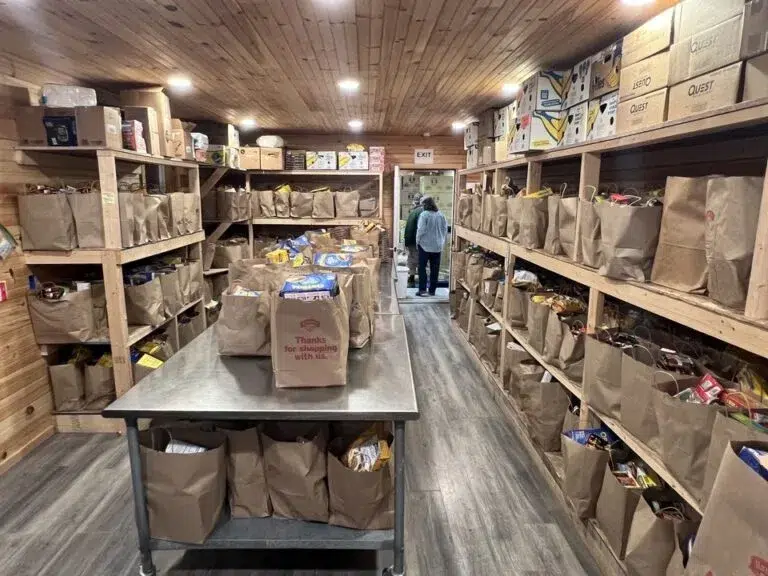
USDA begins developing a pilot allowing SNAP households to buy groceries online with their EBT cards, authorized under the 2014 Farm Bill.
-
2018
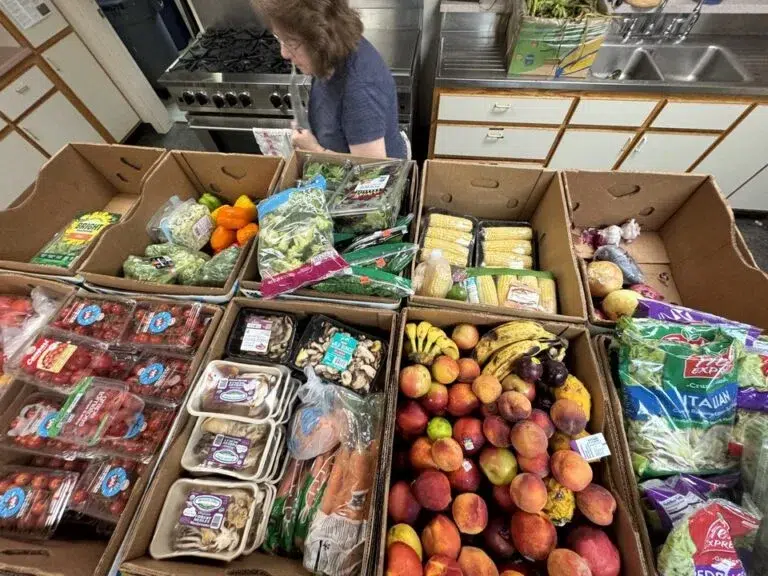
The Agriculture Improvement Act of 2018 (2018 Farm Bill) reauthorizes SNAP for five more years.
- Continued SNAP-Ed and strengthened its public health focus
- Required USDA to reevaluate the Thrifty Food Plan
- Included provisions to improve EBT systems and support online purchasing
- Strengthened program integrity and quality-control standards
-

2019
The online purchasing pilot launches in New York in April, the first time SNAP benefits can be used to place online grocery orders.
-

2020
The pilot expands to Washington in January, then Alabama, Iowa, and Oregon by early March, with more states joining as the year continues.
SNAP becomes a central part of the federal COVID-19 response.
- Emergency allotments gave eligible households additional benefits
- Pandemic EBT (P-EBT) launched to support children who’d lost access to free or reduced-price school meals during closures
- States gained added flexibility to administer the program during the crisis
- Online SNAP purchasing expanded rapidly nationwide
-
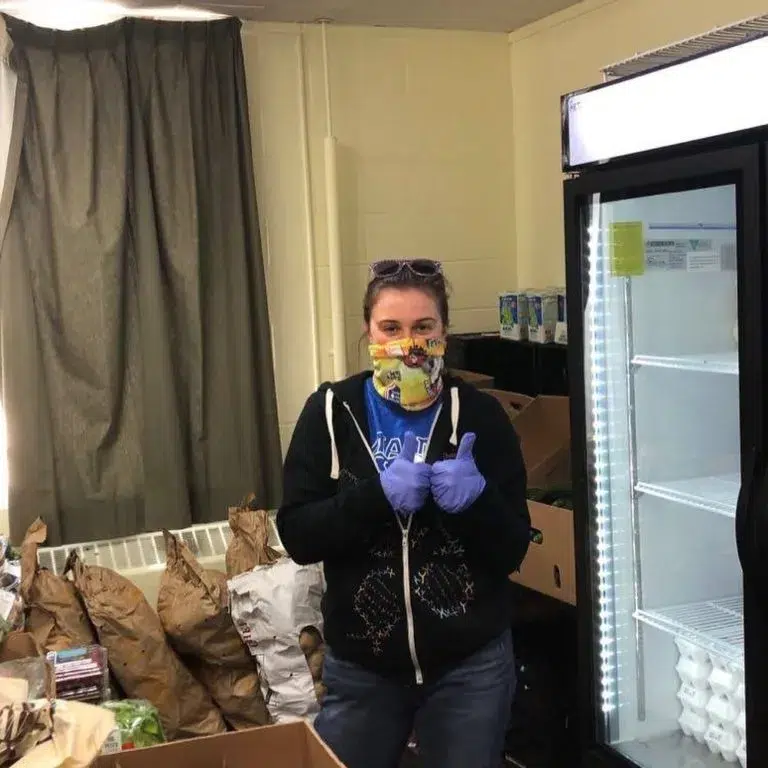
2021
The Consolidated Appropriations Act of 2021 temporarily increases SNAP benefits, while USDA completes the first full reevaluation of the Thrifty Food Plan since 2006.
- The updated Thrifty Food Plan became the basis for benefit calculations starting Oct. 1, 2021
- The reevaluation raised the cost of the plan by about 21%, permanently increasing maximum SNAP allotments
-
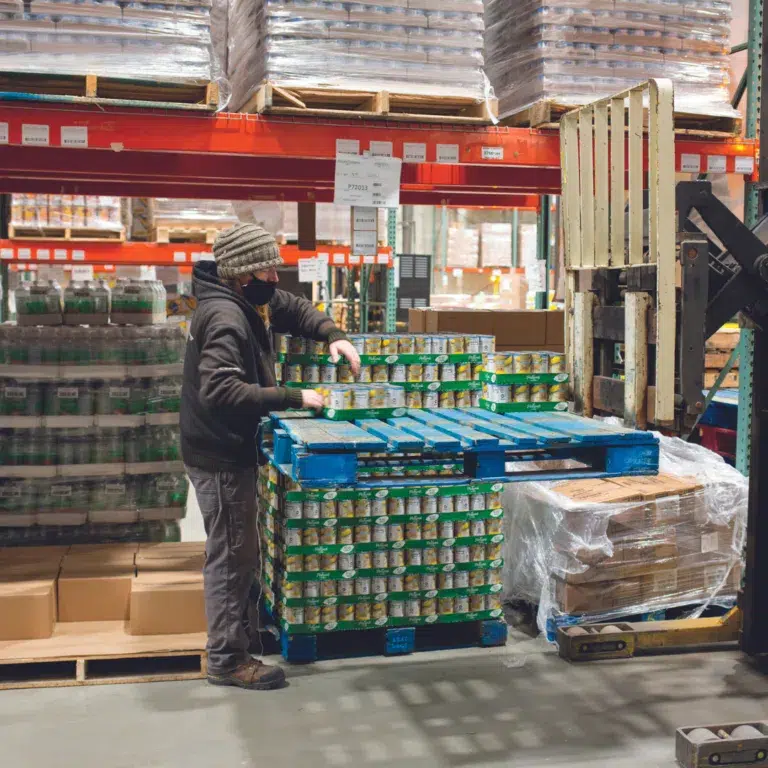
2022
Pandemic emergency allotments and P-EBT continue, keeping benefits well above pre-pandemic levels.
- Combined pandemic relief and the TFP reevaluation kept benefits significantly elevated
- Emergency allotments eventually ended as federal pandemic authority expired
-

2023
SNAP emergency allotments end nationwide after February, and households return to their regular monthly amounts, a significant drop in monthly food assistance for many. The Fiscal Responsibility Act changes SNAP work requirements for able-bodied adults without dependents (ABAWDs).
- Gradually expanded the ABAWD age range subject to work requirements, from 18–49 up to 18–54
- Added new exemptions for veterans, people experiencing homelessness, and young adults aging out of foster care
- USDA issued regulations and guidance to implement the changes
-
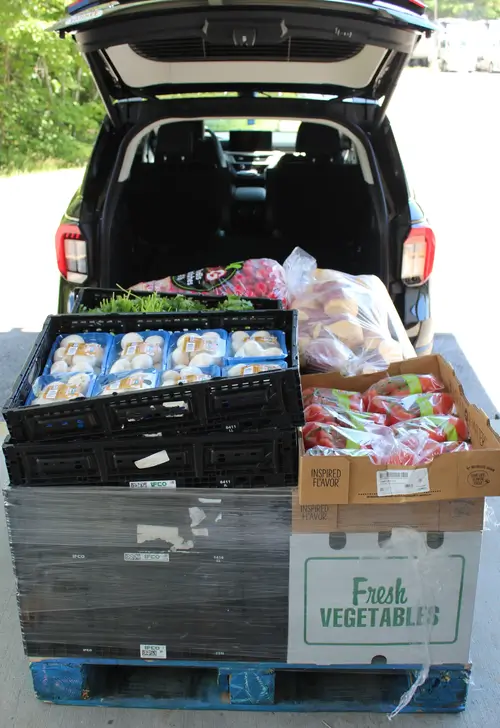
2024
SNAP continues modernizing, with online purchasing available in a growing number of states and ongoing work on EBT systems, fraud prevention, and benefit access.
-
2025
The One Big Beautiful Bill Act (OBBBA), signed July 4, makes sweeping changes to SNAP eligibility and work requirements.
- Narrowed eligibility for certain noncitizens
- Further expanded ABAWD work requirements and changed exemption rules
- Ended required SNAP-Ed funding, eliminating nutrition education and cooking classes as of October 2025
- USDA continues implementing the changes through updated regulations and guidance
-
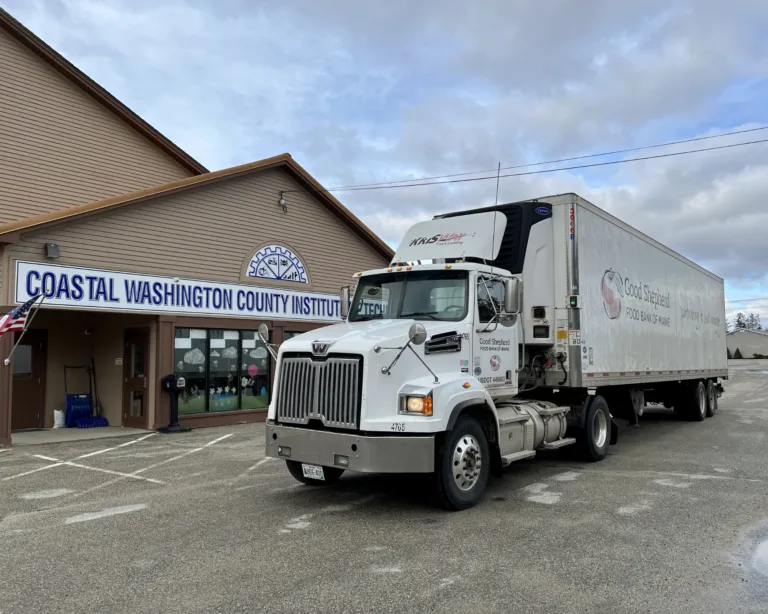
2026
SNAP today remains the nation’s largest federal nutrition assistance program.
- Benefits are issued electronically through EBT, not paper stamps
- Online purchasing is available in all 50 states and D.C
- Policy continues to evolve as USDA implements the 2025 legislation
- References: USDA
The First Food Stamp Program
Born out of the Great Depression, when the country faced a strange contradiction: farms had more food than they could sell, while millions of Americans went hungry. The program was designed to connect the two, using surplus crops to feed people who couldn’t afford food.
Who SNAP Helps
SNAP supports many in our own communities including:
- Families
- Children
- Older adults
- Veterans
- People with disabilities
Why SNAP Matters
Every SNAP dollar spent works twice: once to feed a family, once to strengthen Maine’s economy.
- Reduce food insecurity
- Improve health outcomes
- Support child development and academic success
- Help older adults remain healthy and independent
- Boost local grocery stores, farmers’ markets, and Maine’s economy