TEFAP
The Emergency Food Assistance Program
The Emergency Food Assistance Program (TEFAP) delivers nutritious USDA foods to food banks and hunger-relief organizations across Maine, so families facing food insecurity have somewhere to turn when they need it most.
What is TEFAP?
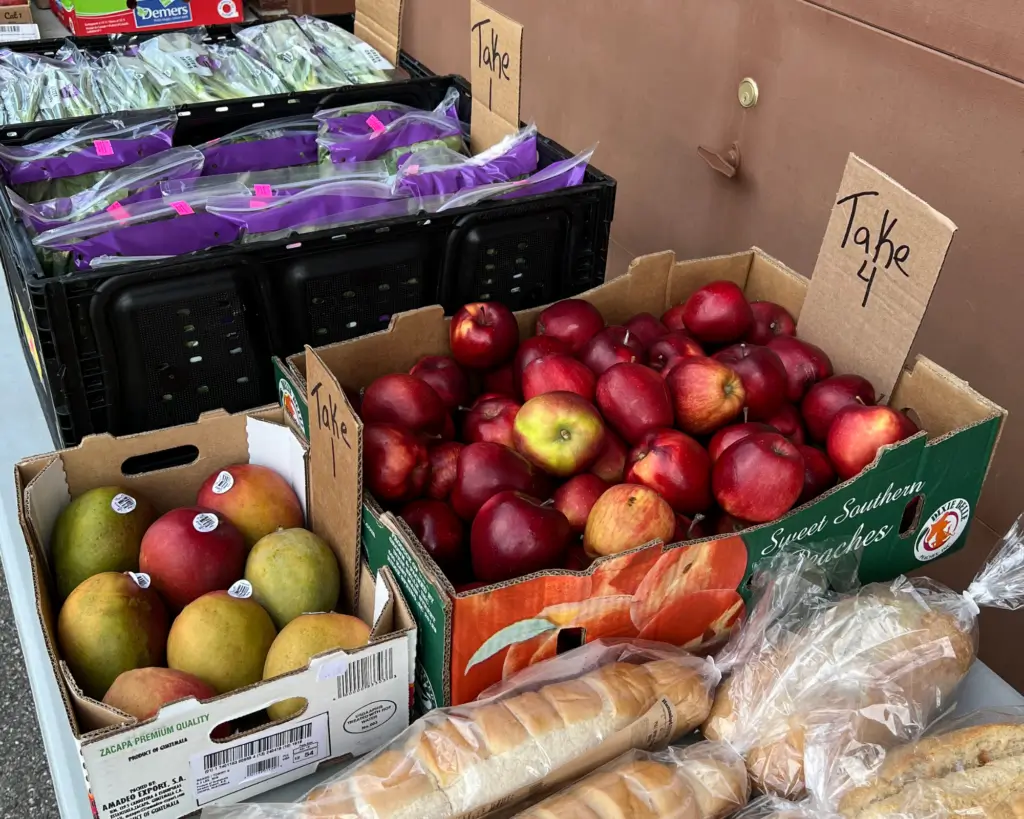
While SNAP provides monthly benefits directly to individuals and families to buy their own groceries, TEFAP works differently. It’s a federal nutrition program, administered by the U.S. Department of Agriculture, that supplies food directly to food banks and pantries.
In Maine, we partner closely with the Maine Department of Agriculture, Conservation and Forestry to get USDA foods into food pantries, meal sites, and hunger-relief organizations across the state.
These foods supplement local donations, helping our partner agencies stretch their resources and serve even more of their neighbors.
A Brief History
Who TEFAP Helps in Maine
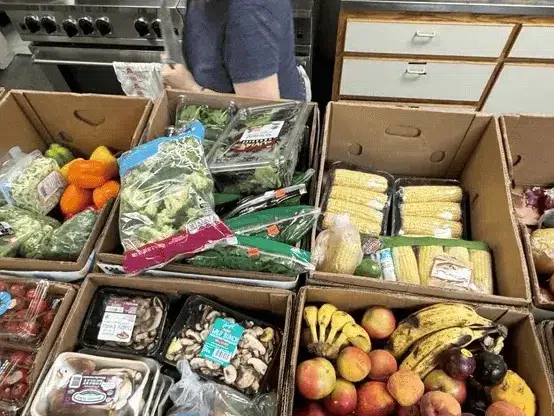
When families and food pantries need help fast, TEFAP is often the first line of defense — delivering nutritious USDA foods directly into the hands of people who need them, at no cost. It’s a critical piece of Maine’s charitable food network, helping our partners stretch further and respond quickly when need rises.
- Provides nutritious USDA foods at no cost
- Helps food pantries serve more people
- Supports emergency hunger-relief
- Strengthens Maine’s charitable food network
- Helps communities respond during times of increased need
Our Role
The Challenges
TEFAP shortages are expected to persist or get worse, in the months ahead. At the same time, the effects of HR1 are going into effect, and more Mainers will lose access to food (and health care) through government programs. Good Shepherd Food Bank is actively fundraising and prioritizing food sourcing in an attempt to partially minimize there reductions. In FY26, we reduced the 4.5M pound gap by 1.5M for a net impact of 3M lbs. and invested an additional $500K+ in cash grants for partners to purchase food.