Stories from the Road – Westbrook Food Pantry
On a bright Tuesday morning in Westbrook, long before the doors of the community center open, cars are already lining up outside. Some arrive as early as 9 a.m., two hours before the pantry begins distribution. It’s a familiar rhythm at the Westbrook Food Pantry, which serves about 2,000 families each year. Housed in the community center alongside general assistance and a thrift store, the pantry has become a part of the neighborhood—quietly and steadily meeting the needs of families large and small, older Mainers, and individuals who are experiencing hunger.
The pantry runs on a choice-model system, but with an approach shaped by the pandemic. Neighbors wait outside while volunteers pack bags based on their selections; a system that has stuck because it works. By the time the doors open, the early morning crew has already been hard at work, pre-packing staples like eggs, milk, yogurt, butter, and even toilet paper. Much of the food comes through The Emergency Food Assistance Program (TEFAP), with support from Hannaford and Wayside Food Programs.
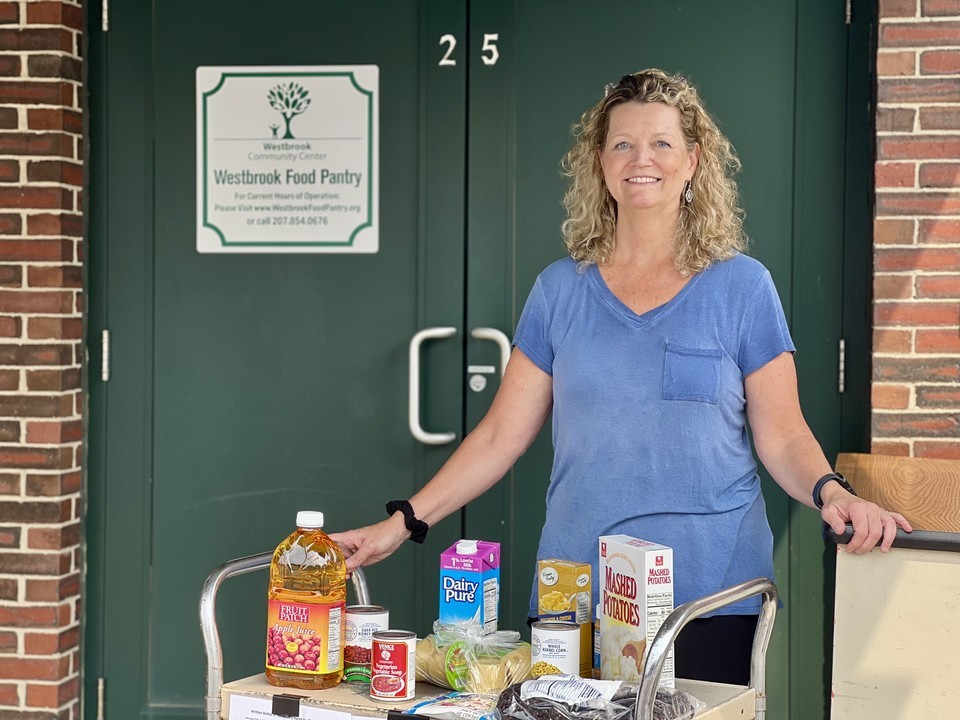
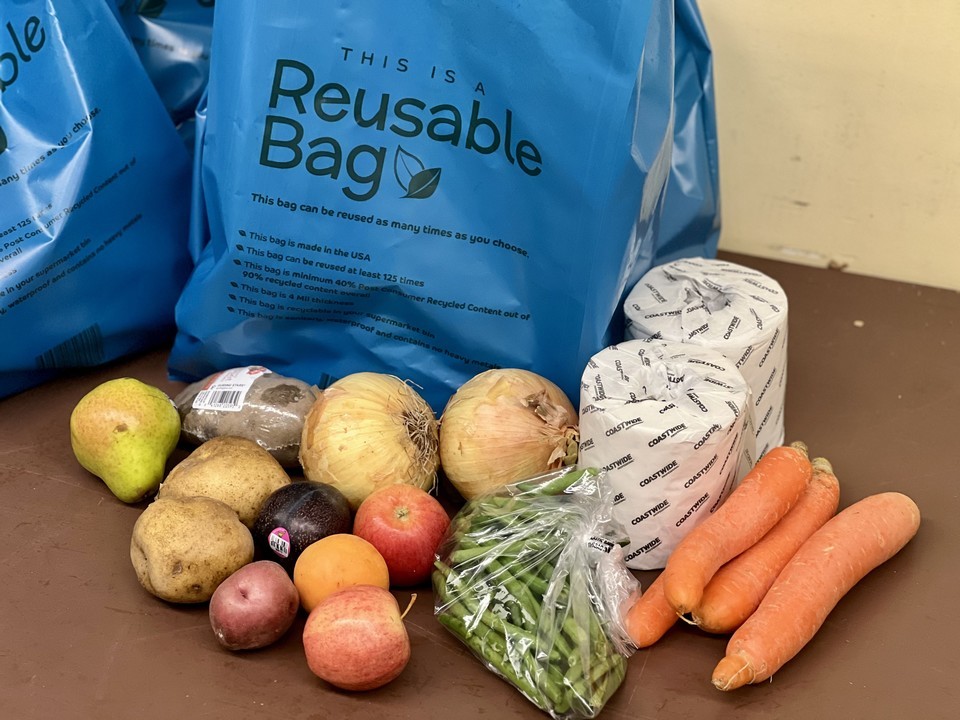
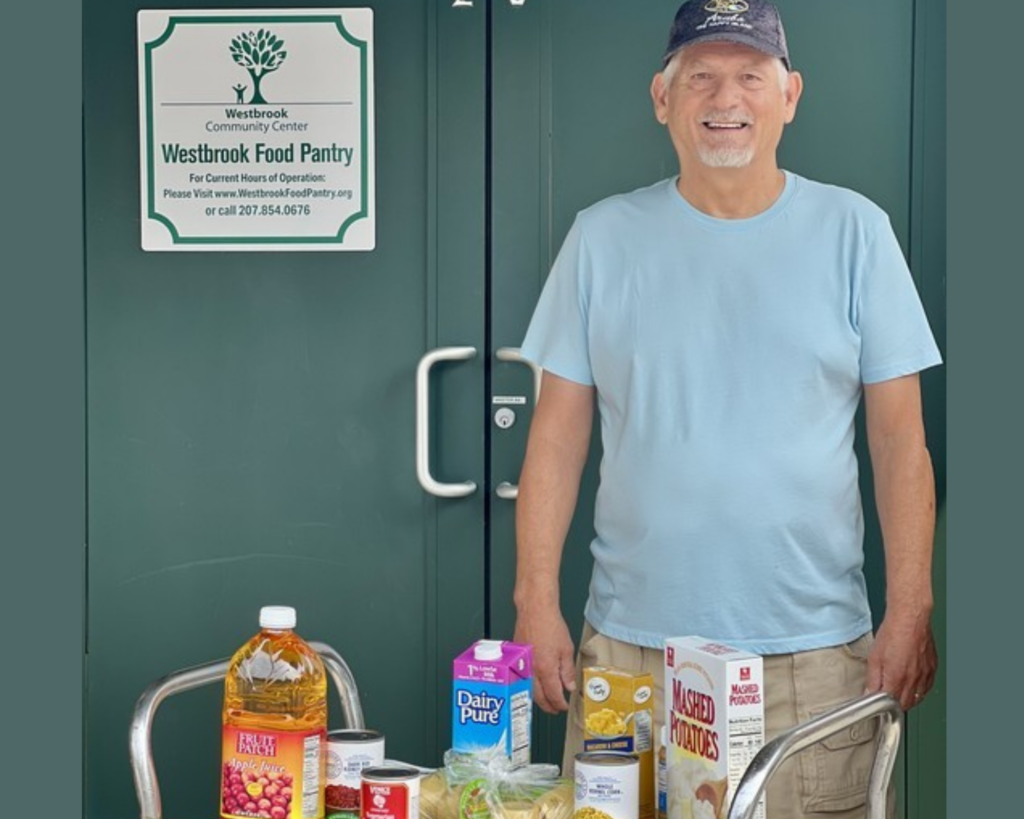
Behind the scenes, volunteers make the pantry what it is. There are 30–40 people who rotate through shifts, with some managing intake and registration, while others direct traffic or carry groceries out to cars. Each brings not only their time, but their own story.
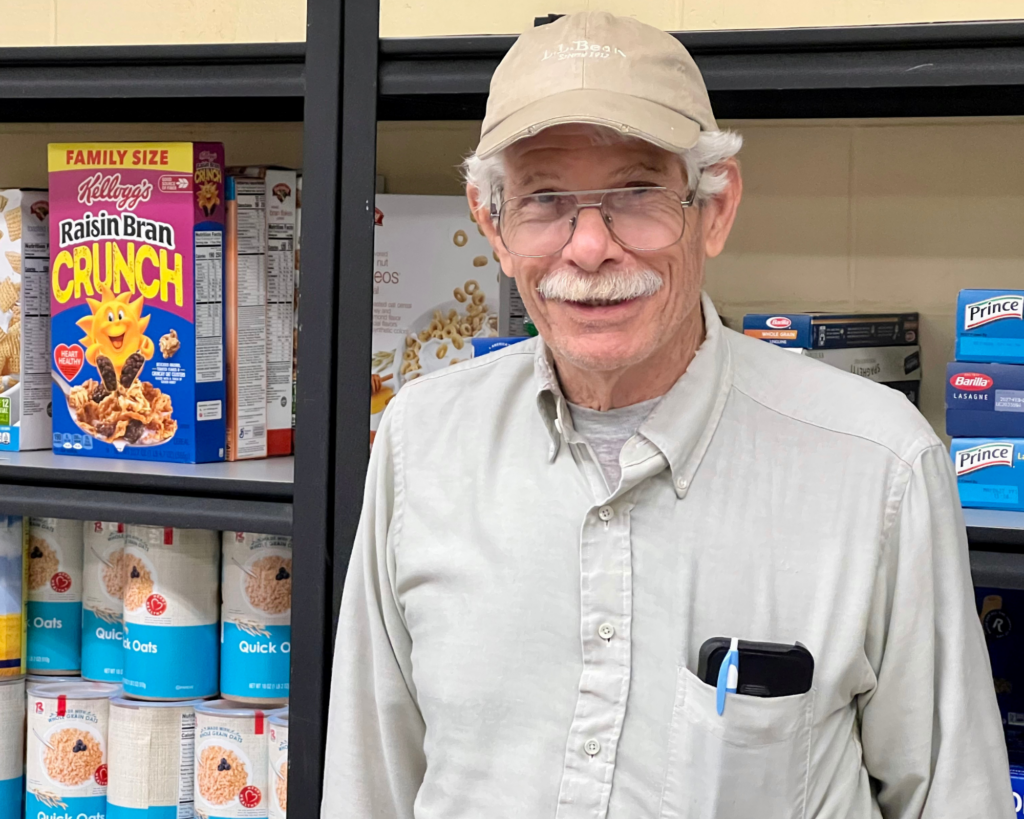
Darrell, who grew up in Westbrook, has been volunteering ever since he retired from the Sappi paper mill in 2014. He spends most of his time outside, pushing carts and offering encouragement. He recalls the day a neighbor he knew came in, ashamed and in tears about needing help. “I told them everyone needs help sometimes,” Darrell said, reflecting on his own hard times. He remembers another couple living in their car who didn’t have a Westbrook address. “I got them some help anyway,” he said simply. For him, the pantry is about dignity and community.
A few cars away, Ed stands ready to direct traffic. Originally from New Jersey, he has been volunteering here for more than a decade, following his wife’s lead. A retired firefighter and teacher, Ed now sees his role as keeping “the people away from the cars and the cars away from the people.” His approach is straightforward and practical: “Some people are shy but… if you need food, you need food.”
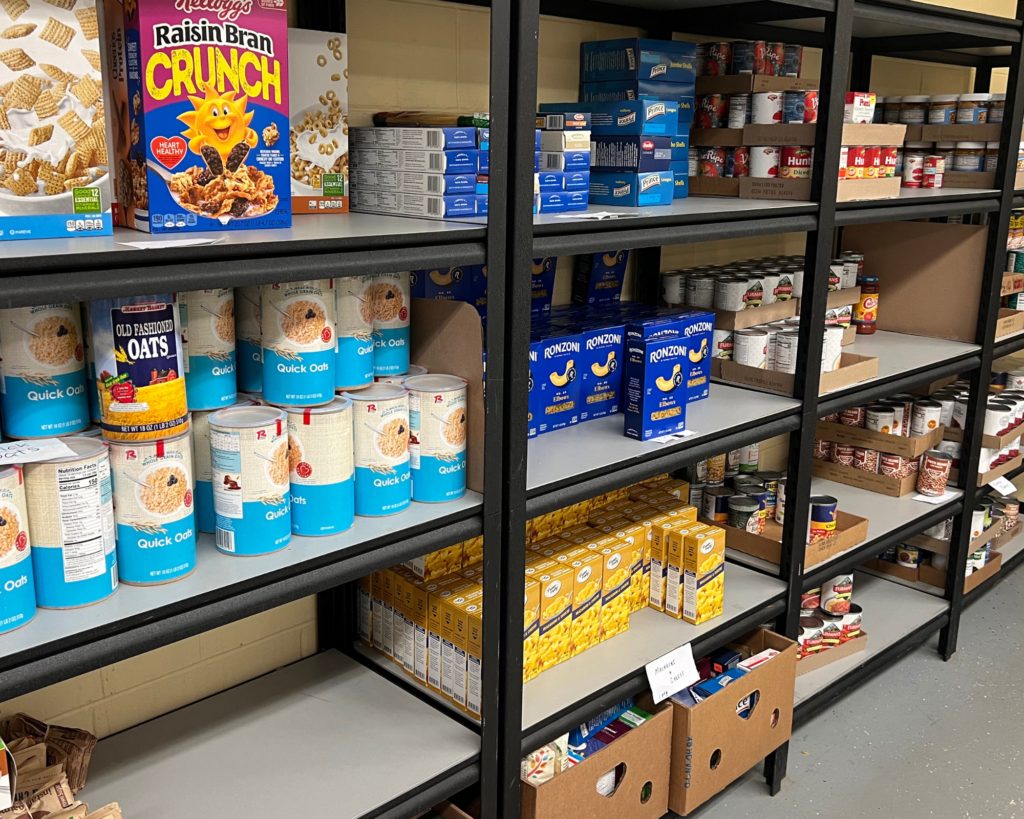
Inside, Marjorie greets each person who comes through. A retired nurse practitioner with 40 years of experience in the community, she has spent the past year volunteering at the pantry. She describes it as “a well-kept secret that doesn’t need to be.” She remembers the day two single parents arrived, referred by a friend. They had been experiencing hunger quietly for months and didn’t know help was available in their own town. “They were overwhelmed and super appreciative,” Marjorie shared. Moments like that are why she shows up each week, to make sure no one goes hungry simply because they didn’t know where to turn.
Together with pantry director Lori Shaw and dozens of others, these volunteers keep the pantry’s doors open and the work moving. Lori describes her role simply: “I love it. I love the people and working with the volunteers. One lady brings homemade hot pads. It’s heartwarming.”
The pantry distributes about 50 bags each week, often supplemented with extra items on an outdoor table; donations too small in number to go into everyone’s bags, but still valuable. They also keep emergency food bags on hand, so if another organization identifies someone who needs help after hours, food is always within reach.
As the pantry looks to the future, they are gathering input from neighbors through a client survey—asking about preferred communication methods and alternative hours. They want to be sure they’re not only meeting immediate food needs, but doing so in a way that’s accessible, welcoming, and responsive.
At the Westbrook Food Pantry, food is only part of the story. The real story lives in the people—the neighbors who arrive early, the volunteers who greet them, and the moments of kindness exchanged in the parking lot or at the registration table. It’s a reminder that while hunger may bring people here, it’s dignity, compassion, and connection that keep them coming back.
Good Shepherd Food Bank works in partnership with nearly 600 hunger-relief organizations, located from Kittery to Fort Kent, to help distribute food to community members in need. Our network of partner agencies includes food pantries, meal sites, senior centers, school programs, and healthcare facilities.