Hunger in Maine
The federal government shutdown ended on November 12, after 44 days.
The bill ensures government funding through the end of January and guarantees continued funding for essential nutrition programs, including SNAP, School Lunch, School Breakfast, Summer EBT, WIC, and CSFP, through September 2026.
This funding covers the multiyear SNAP contingency fund and does not mean these programs will end in 2026—funding for them will be included in the 2027 federal budget. Importantly, SNAP and WIC benefits will not be disrupted or reduced, even if another government shutdown occurs before September 2026. Additionally, full SNAP benefits were delivered on time for November, with the remaining benefits for a small group of new SNAP recipients being processed. Federal employees will receive back pay, but the exact timing is still being determined.
We are grateful for the outpouring of support from individuals, organizations and companies from across the state who rallied in support of their neighbors during this difficult time. Support came in the form of financial donations, volunteer hours and the sharing of information about hunger and how it impacts families in Maine.
Potential Impacts of Continued Delays
170K
Mainers receive SNAP Benefits
12.5 percent of Maine’s population.
20%
of Mainers
in Androscoggin, Aroostook, Piscataquis, Somerset, and Washington counties participate in SNAP.
$29M
in one month
SNAP dollars spent at grocery stores and generate revenue in the local economy.
75%
of Maine’s SNAP Households
include at least one working adult, more than half include a person with a disability, 43% include an older adult, and over one-third include children.
600
Partners
Good Shepherd Food Bank works with nearly 600 food assistance programs throughout Maine
Our Response
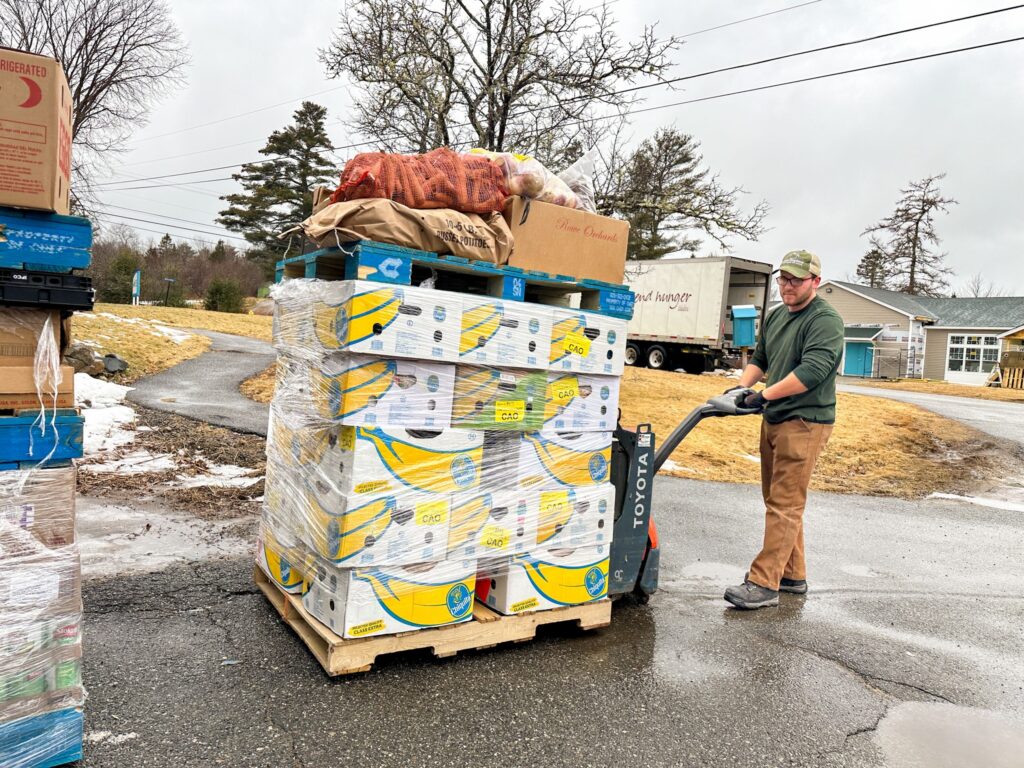
- Emergency Support: Governor Janet Mills and the John T. Gorman Foundation gifted $650,000 directly to Good Shepherd Food Bank to support our nearly 600 partner agencies. We then distributed $1,000 emergency food credits to all food pantry, school pantry, meal site, and shelter partners to help prepare for increased need in November.
- Increased Fresh Produce: Expanding the amount of fresh produce available at no cost for all partner agencies to order.
- Early TEFAP Allocations: Supporting agencies that wish to receive their December TEFAP allocations early to better meet community needs.
- Food Donation Partnerships: Working with retailers of all sizes to encourage donations of excess food.
- Advocacy: Good Shepherd Food Bank President Heather Paquette and Director of Government Affairs Amy Sassi went to Washington, D.C., to advocate for the urgent release of delayed November SNAP benefits and meet with Maine’s congressional delegation to discuss the impacts of cuts and potential solutions.
- Community Giving: Partnering with donors—both new and longtime supporters—who are increasing their contributions to help neighbors in need.
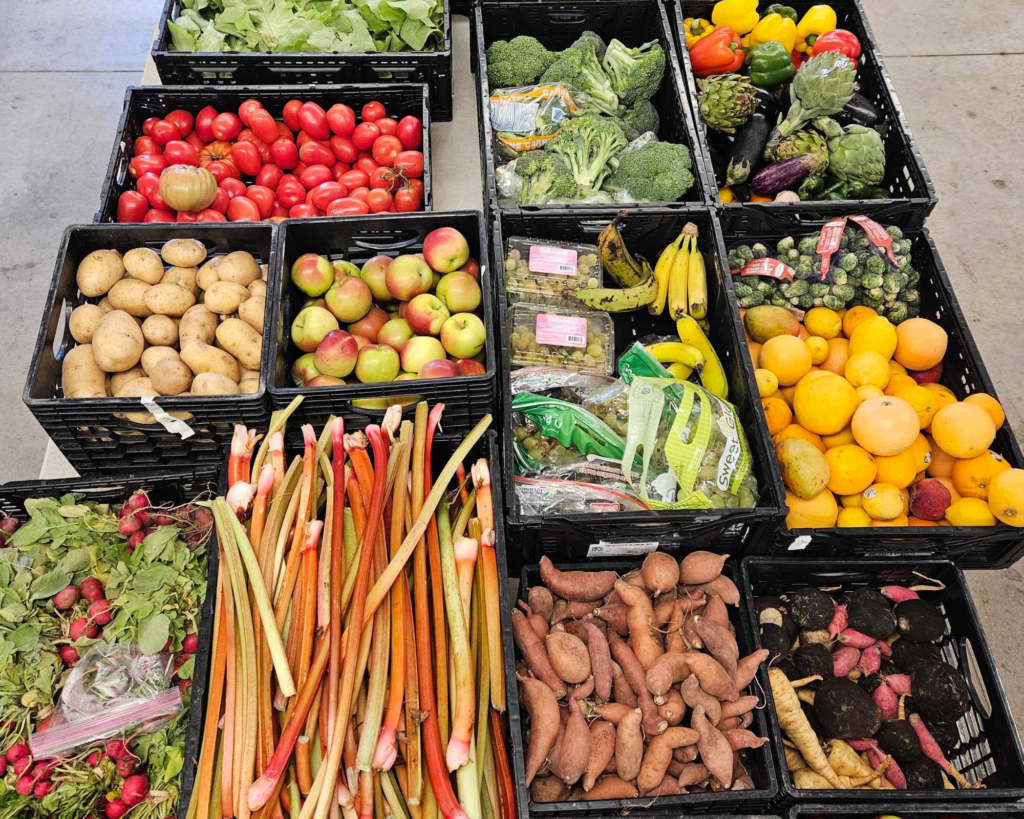
Find Food
The Food Bank’s 600 hunger relief partners across Maine are working tirelessly to keep food on the table for neighbors in need. If you or someone you know is in need, visit our Food Map to find a local pantry or meal site near you.
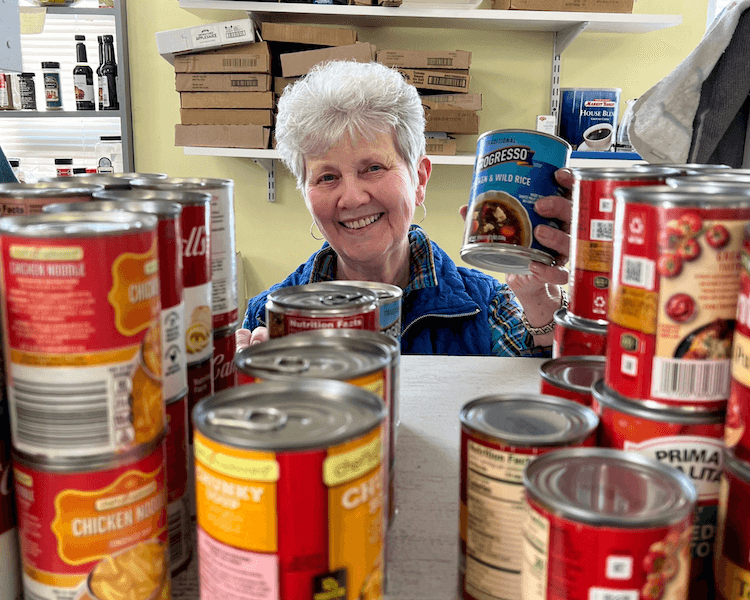
Donate
Support our mission by making an online donation today. Virtual Food Drives and Community Fundraisers are also great ways to make a meaningful impact.
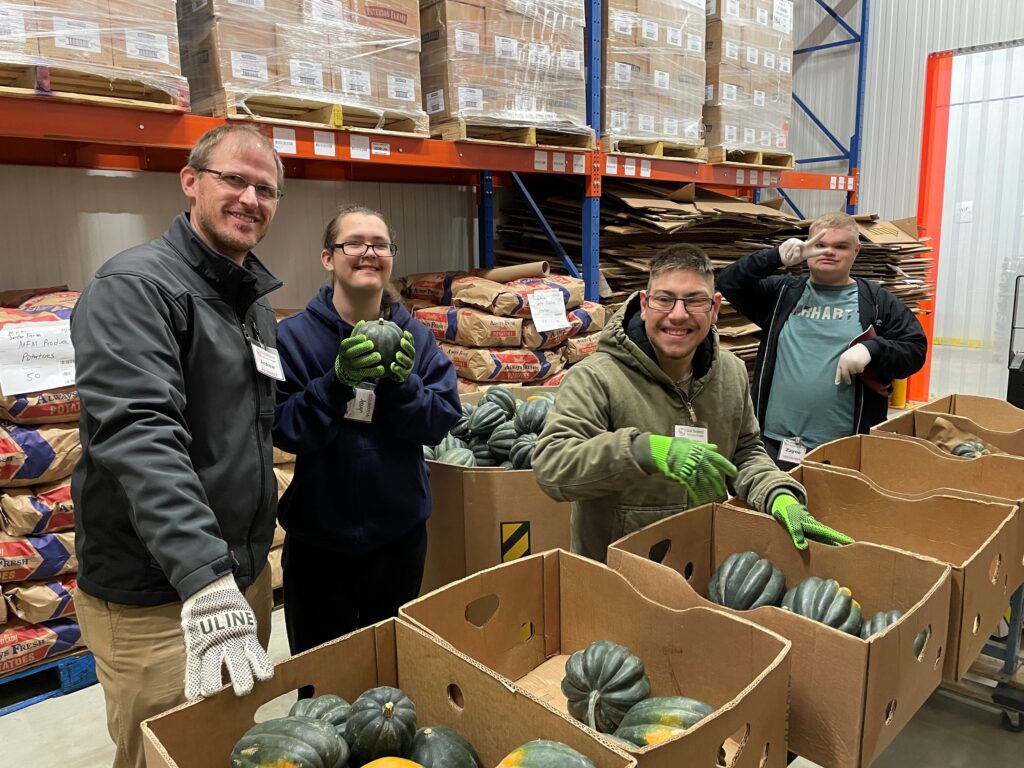
Volunteer
Volunteering is a great way to give back. We rely on volunteers daily to support our mission. Join us today!