Small Town, Big Impact: A Look into Maine’s Rural Food Pantries
When Maureen Bean, director of The Burlington Food Pantry, says, “When you’ve been to one pantry, you’ve been to one pantry,” she’s underscoring a powerful truth. Each pantry reflects the distinct personality of its community, shaped by the people who come through its doors and the unique challenges they face. In rural Maine, that personality is defined by self-reliance and quiet strength. Even when asking for help is hard, communities find strength in caring for one another and ensuring everyone has enough.
When most people think of Maine, they picture vacationland – coastal villages with charming lighthouses, lobster traps, and the rugged, picturesque shoreline. But there’s another side to the state that often goes unnoticed. It’s a place where dense forests stretch for miles, logging roads wind and carve through the woods, and the nearest grocery store might be more than an hour away.
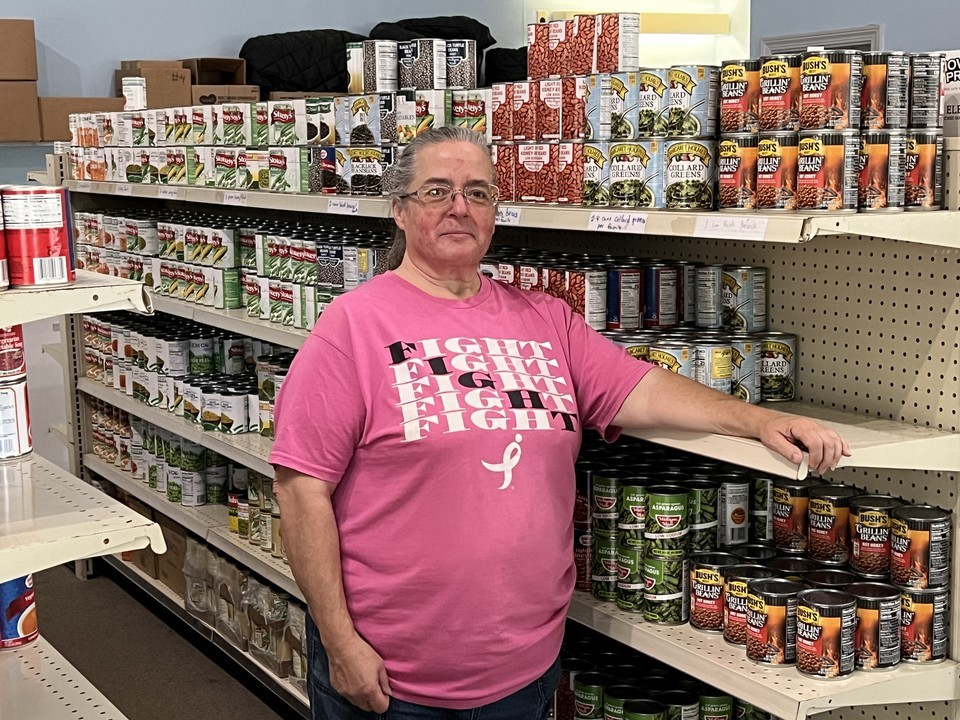
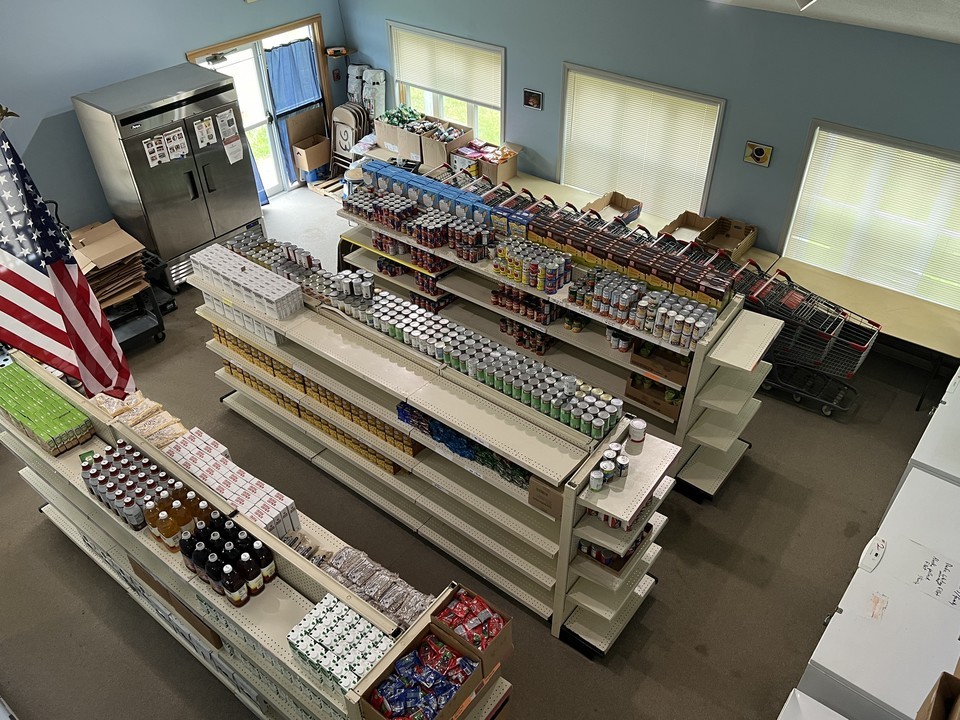
This is the Maine that rarely makes it into postcards or travel brochures, but it’s where true grit and resilience are woven into the fabric of everyday life. Here, people are deeply connected to their history and traditions, drawing strength from a heritage of hard work and self-reliance. They’ve survived tough winters and long days in the woods, bound together by a strong sense of community and an unwavering commitment to each other.
In these rural corners of the state, food pantries aren’t just places to pick up a meal; they are community spaces that ensure families and individuals have access to the nourishment they need to thrive.
Good Shepherd Food Bank partners with nearly 600 hunger-relief organizations statewide, working tirelessly behind the scenes to make sure everyone has access to the food they need. Among those partners are the food pantries of Aroostook, Penobscot and Washington Counties, including the Burlington Food Pantry, the Haynesville Food Pantry, the Danforth Food Pantry, and the Wytopitlock Food Pantry.
At these small-town pantries, you’ll find passionate individuals like Maureen, Marilyn, Arron, and Michael – staff and volunteers who pour their hearts into ensuring their communities have food on the table. These aren’t just people handing out cans of beans or loaves of bread; they are people who know their neighbors by name, take the time to understand what each family needs, and do whatever it takes to ensure no one goes hungry.
Take the Haynesville Food Pantry, for example. Located in the Haynesville town office, this small pantry serves a community of just 97 residents. Despite its size, it plays a vital role in providing food to local families, especially those who may not have the means to travel to the nearest grocery store. It’s a reliable resource for the town, offering essential staples and a helping hand when needs arise.
Similarly, the Wytopitlock Food Pantry has become a dependable cornerstone in its community. Like Haynesville, it’s a place where neighbors know they can count on getting the essentials they need. For many, it provides a sense of stability in an area where transportation is limited and resources are few and far between. In these rural pockets of Maine, the pantry may be the only place for miles where families can restock their cupboards and meet their basic needs.
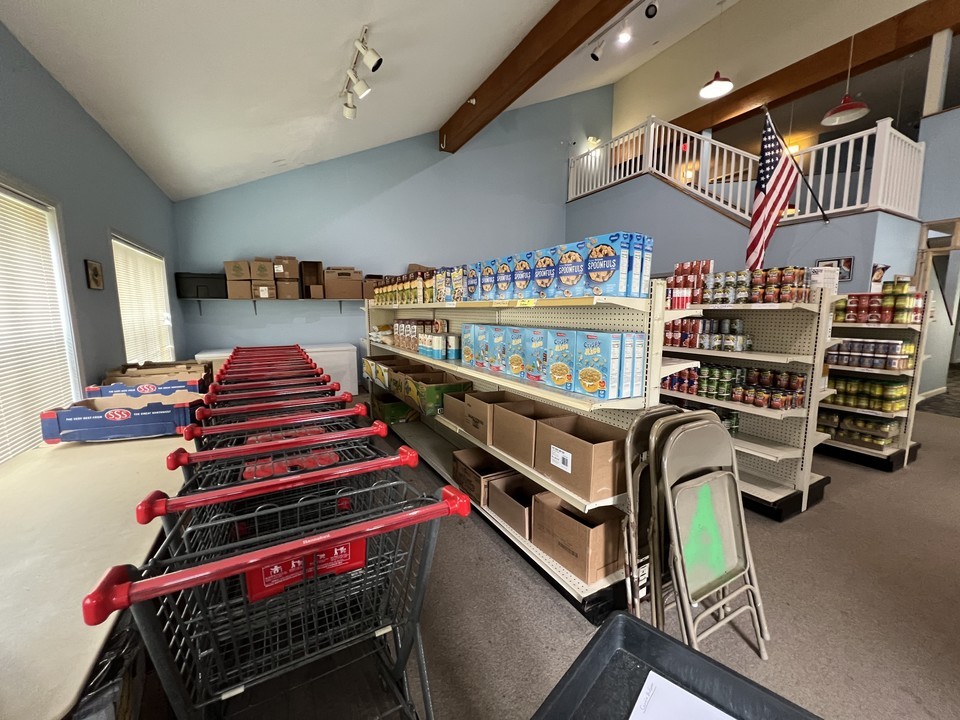
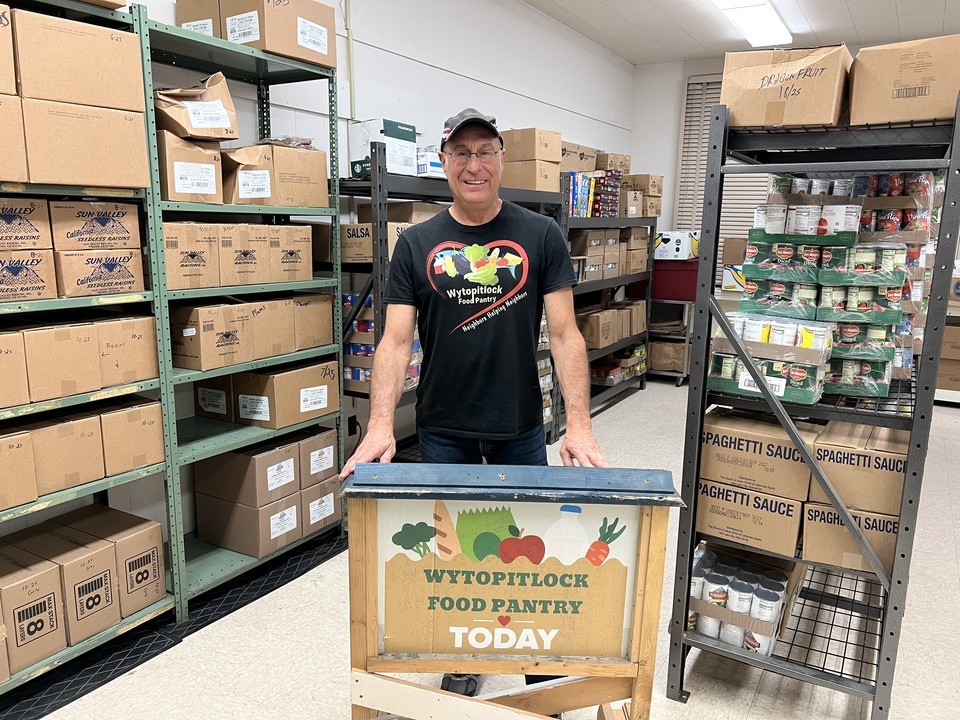
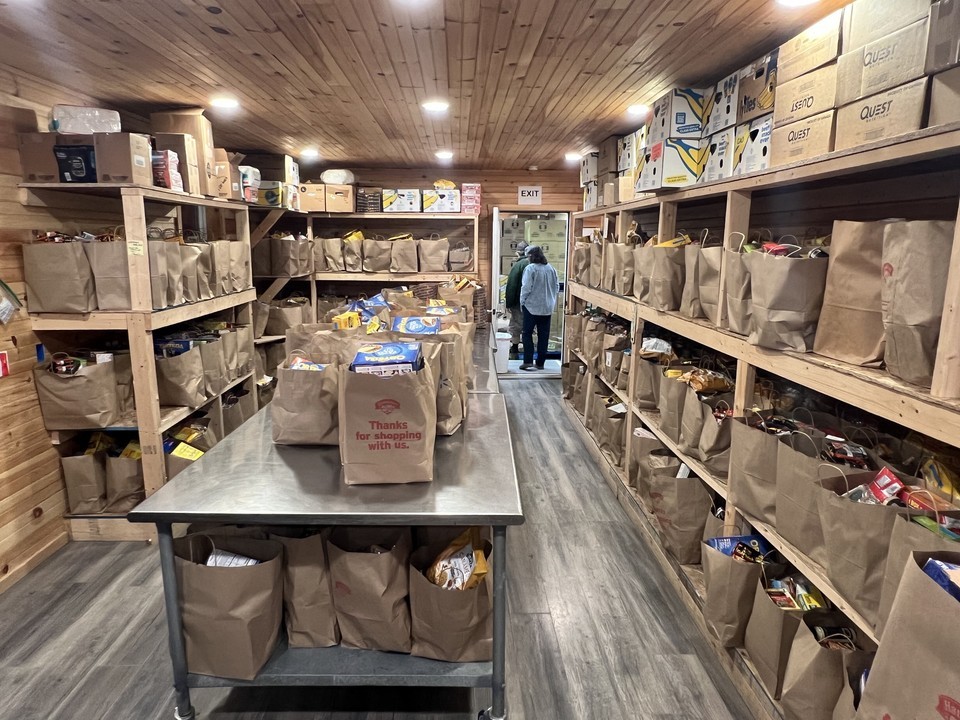
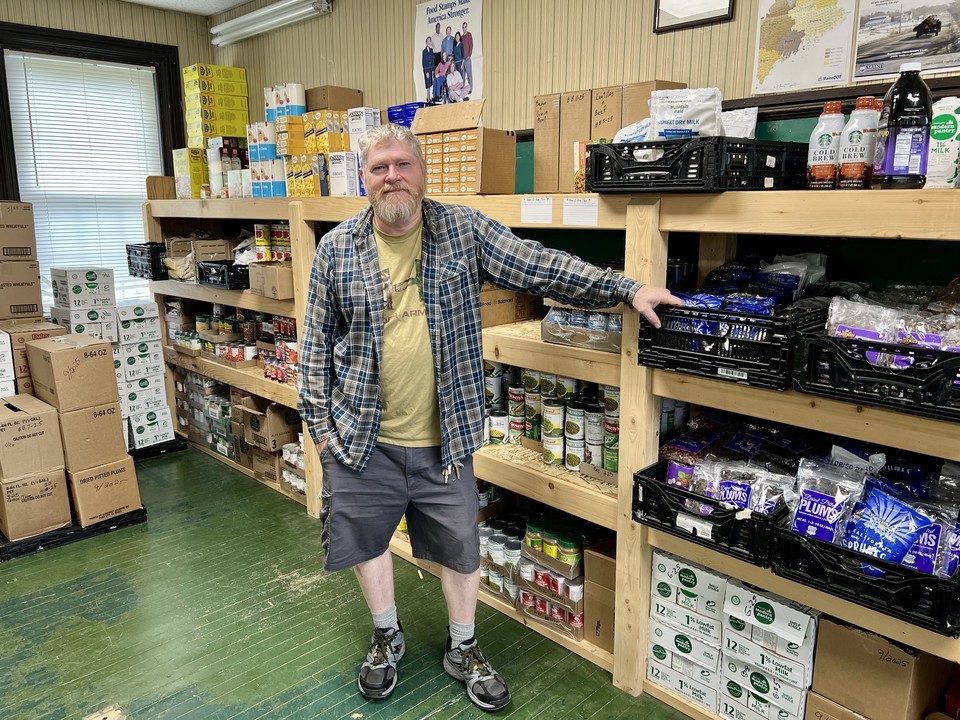
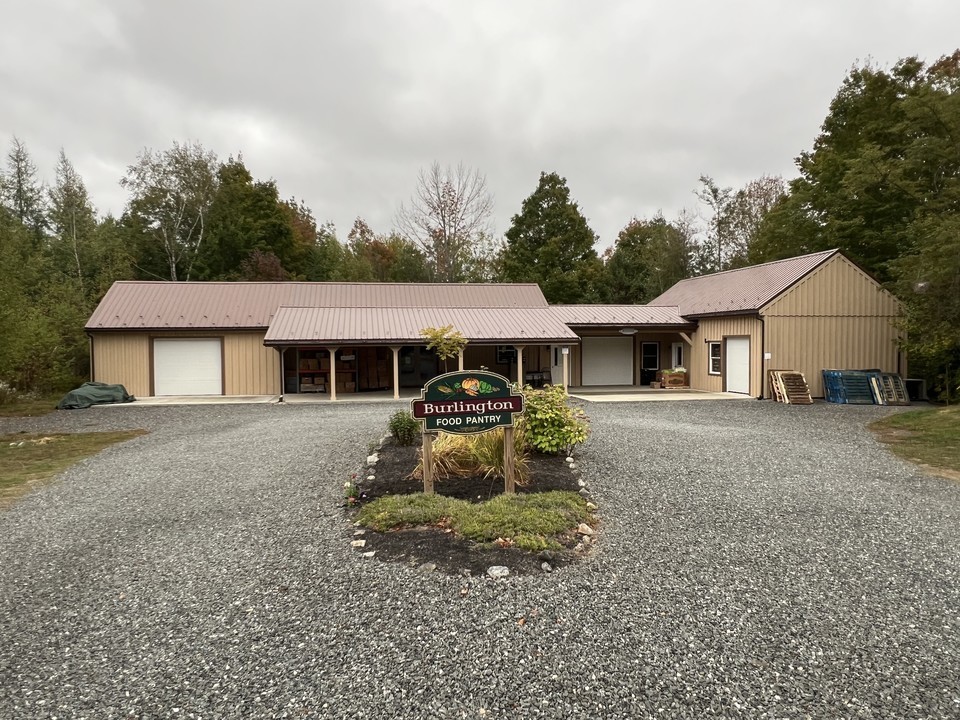
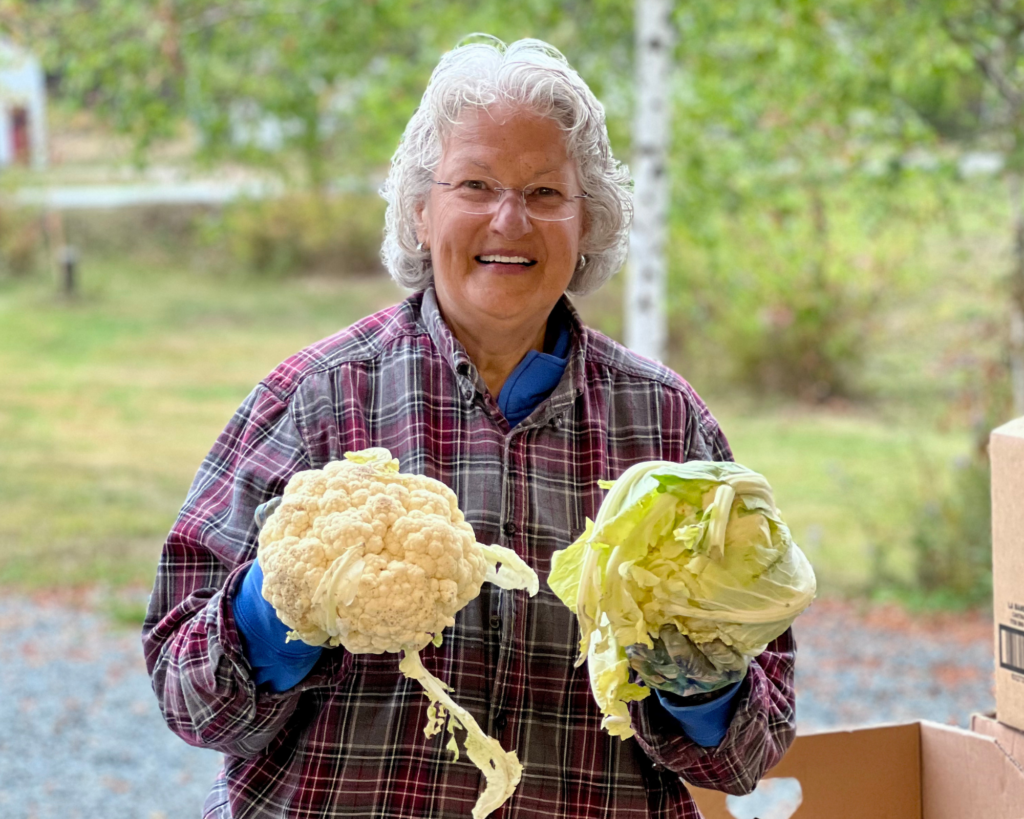
The energy of Marilyn, manager of the Danforth Food Pantry, truly stands out. “It’s a close-knit town, so when someone hurts, we all hurt,” she shared. It’s not just the work she does that’s impressive; it’s the way she leads with pride and purpose, ensuring that every need in her community is met. Supported largely by town funding, the Danforth Pantry has become more than a place to pick up a box of food. Through Marilyn’s leadership, it operates like a well-oiled machine, providing the right support for local families.
Marilyn doesn’t just wait for people to come to her; she goes the extra mile, personally calling each of them to find out what they need. If a family has specific dietary restriction or preference, Marilyn listens and adjusts. She even spends time checking in on older Mainers, making sure they’re safe, healthy, and have everything they need.
What stands out across all these pantries is the immense pride and dedication of the volunteers. At The Burlington Food Pantry, you’ll find kids bagging potatoes, teenagers learning how to organize food drives, and even elderly volunteers carefully sorting through produce and putting together food bags.
The sense of community and service is palpable. Volunteers aren’t just performing a task – they’re engaging in acts of solidarity, ensuring that their neighbors have food on their tables and hope for tomorrow. These efforts don’t just provide sustenance; they offer a sense of belonging and care.
At the heart of these rural food pantries is the deep understanding that food insecurity isn’t just about hunger, but also about the emotional and psychological strain it places on families. The people who run these pantries understand that people need more than just a bag of groceries. They need dignity, respect, and to be heard, even if that’s just understanding their individual needs and meeting them with compassion.
Despite the tireless work of volunteers and pantry staff, the need is still overwhelming. “From teenage college students to single parent with the little kids, to the young families that are living in a fifth wheel,” says Maureen, reflecting on the wide range of people who rely on their local pantries.
The challenges in rural Maine are real, often compounded by isolation, distance, and limited resources. For many people, these food pantries are the only source of assistance, and they rely on them to get through difficult times.
In rural Maine, food pantries are more than just places that distribute food. They are pillars of community resilience, where neighbors come together to make sure no one falls through the cracks. It’s not always easy, and it’s not always glamorous, but it’s essential. “I get hungry three times a day or more every day. A family has needs, and they need to find a place to help them meet those needs. So here we are.”
So, next time you think of Maine, remember this: it’s not just the lighthouses and lobster that make this place special. It’s the people—like Maureen, Marilyn, and the rest of the incredible volunteers at these rural food pantries—who show up every day to make sure their communities have what they need to thrive.